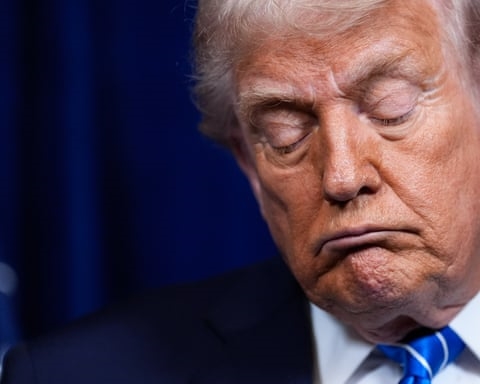
A recent assertion by the U.S. president that an agreement to conclude the conflict in Ukraine is nearly finalized has been met with profound skepticism. Following discussions with Ukrainian leadership, the claim was made that a resolution is “95% done.” However, the critical remaining portion hinges entirely on securing Russia’s assent, a prospect for which there is little current evidence.
This statement appears to be the newest in a series of overly optimistic projections about a rapid end to the hostilities, echoing previous pledges to resolve the war within a day. Observers analyzing the immense challenges still blocking a sustainable peace might view the “95%” figure with a combination of incredulity and grim irony, a reaction reportedly mirrored by the Ukrainian president to other recent pronouncements.
Multiple speculated deadlines for a settlement, including proposals for agreements by specific holidays, have already passed without result. The fundamental obstacles remain unchanged. Russian officials consistently frame an end to hostilities as contingent on addressing unspecified “root causes,” a stance widely interpreted as a demand for enduring influence over Ukraine’s sovereignty.
While Ukraine endures severe hardship and public readiness for difficult decisions may be growing, surrender is not considered a viable path. Concurrently, there is no indication that Russian leadership is retreating from its expansive objectives, nor that the U.S. is prepared to apply significant pressure to force such a retreat. Without a shift in these dynamics, the foundation for a lasting accord seems absent.
The strategy of Ukraine’s European partners has centered on maintaining American support and preventing a halt to crucial assistance, such as intelligence cooperation. These allies have also advocated for U.S.-backed security assurances intended to strengthen Ukraine’s position after any potential peace settlement.
Although reported progress was announced on such guarantees over the weekend, the details remain ambiguous and their practical enforcement unclear. Russia would almost certainly block any substantive plan to station Western forces in Ukraine or provide NATO-style protections. Consequently, meaningful guarantees would likely need to be enforced upon Russia, not emerge from a mutual negotiation—a step Western nations show no appetite to take, as it could entail a direct military confrontation.
The broader diplomatic posture suggests a continued reluctance to challenge Moscow meaningfully. The Russian president continues to be treated with a level of personal engagement and courtesy not extended to the Ukrainian leader, a disparity evident in the protocols of recent visits. A phone call initiated with the Kremlin just prior to the Ukraine talks further underscored this dynamic.
Should a ceasefire eventually be reached, it is uncertain what leverage the West possesses to ensure Russian compliance. In the absence of a deal, Ukraine faces two grim potential outcomes: a protracted defensive struggle until internal pressures within Russia might force a negotiation, or a deterioration so severe that accepting Moscow’s harsh terms becomes unavoidable. For now, the claim of a nearly finished deal stands in stark contrast to the entrenched realities on the ground.