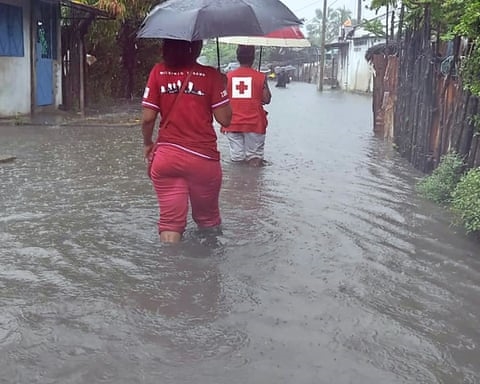
Madagascar is grappling with severe flooding and disruption following the landfall of Tropical Cyclone Fytia, the island nation’s first major storm of the season. The system, which formed late last week, has already claimed at least three lives and impacted tens of thousands of residents.
The cyclone made its way across northern and central regions over the weekend, unleashing torrential rains and destructive winds. Meteorological reports indicated sustained winds exceeding 90 miles per hour, with gusts reaching 130 mph. While Fytia has since weakened to a tropical storm, it continues to pose a significant threat. Forecasts warn of persistent heavy rainfall, with some areas expected to receive up to 150 millimeters, raising the risk of further flooding and landslides.
Authorities have issued red alerts in the storm’s path, signaling imminent danger. Preliminary assessments from disaster management officials indicate nearly 30,000 people have been affected, with widespread travel disruptions and school closures. Concerns are mounting that flooding could inundate more than 40,000 homes in the coming days. Mariners have been urgently advised to seek safe harbor.
Simultaneously, a separate and severe weather event is unfolding thousands of miles away. Eastern Europe is bracing for a dangerous plunge in temperatures this week. A powerful high-pressure system over Scandinavia, combined with low pressure over western Russia, is funneling a frigid easterly air mass into the region.
Forecast models predict daytime highs will struggle to rise above -10°C as far west as Berlin. The most extreme conditions are expected overnight, with temperatures potentially plummeting below -30°C across parts of Poland, Ukraine, and Belarus. This intense cold is being exacerbated by existing widespread snow cover, which reflects sunlight and radiates heat away from the ground, creating a self-reinforcing cycle of frigid air.
The dual crises highlight a week of extreme and contrasting weather across the globe, with communities in Madagascar battling floodwaters while populations in Eastern Europe confront life-threatening cold.