The Japanese government has authorized a second drawdown from its national petroleum reserves, a move aimed at stabilizing domestic energy supplies as instability in the Persian Gulf region continues to disrupt global markets.
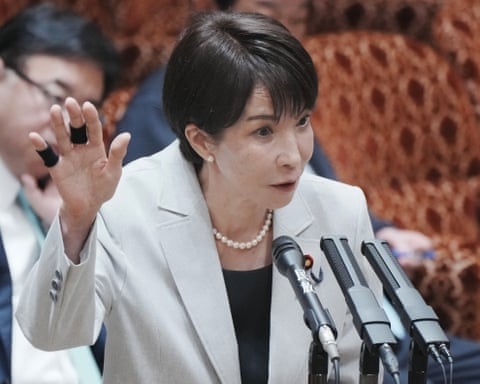
Prime Minister Sanae Takaichi announced the decision, stating that an amount equivalent to approximately twenty days of national consumption will be released beginning in early May. This follows a larger release last month, as the nation works to mitigate price volatility and potential shortages.
Japan, which imports the vast majority of its crude oil, maintains one of the world’s largest strategic reserves. Officials emphasize the country retains a substantial buffer, with current holdings sufficient for over 200 days. However, with most imports traditionally transiting the volatile Strait of Hormuz, the administration is actively pursuing diversification.
“We are accelerating efforts to secure stable supplies through alternative routes,” Takaichi stated, indicating that by next month, more than half of Japan’s oil imports could be sourced via pathways avoiding the Strait. Potential supply points under discussion include terminals on the Red Sea and the Gulf of Oman, alongside increased procurement from producers in the Americas, Africa, and other regions.
Concurrently, the government has issued guidance to domestic fuel suppliers to prioritize deliveries to essential sectors, including medical services, agriculture, and public transportation.
The energy measures unfold against a backdrop of significant domestic political pressure. The Prime Minister faces growing public calls to uphold the nation’s postwar pacifist constitution and avoid military entanglement in the Gulf conflict. Recent weeks have seen large-scale demonstrations across the country, with protestors rallying in support of constitutional constraints on the use of military force.
The Prime Minister has previously cited these constitutional principles in declining requests for a naval deployment to the region, a stance that has drawn criticism from international allies. The domestic debate is further intensified by the ruling party’s parliamentary majority, which some analysts suggest could be used to pursue security policy revisions.
For many citizens, the crisis underscores a fundamental anxiety. “The cost of conflict is always borne by ordinary people,” said one Tokyo demonstrator, expressing a widely held sentiment. “It’s crucial to speak up for peace and stability.” As the government navigates complex energy logistics, it must also balance these profound domestic convictions with intense diplomatic pressures.