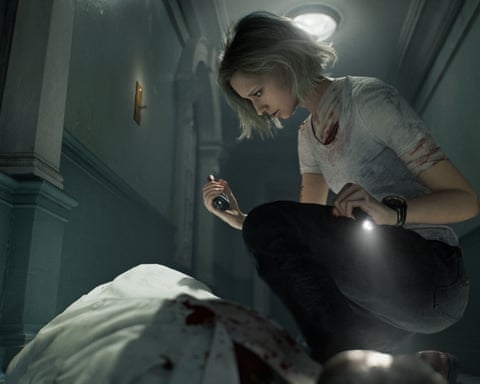
Thirty years ago, the gaming landscape was dominated by fast-paced action and vibrant arcade thrills. Into this world emerged a title that defied convention, trading empowerment for vulnerability. It was a game about scarcity, fear, and survival in the face of the grotesque. Today, that series stands not as a relic, but as a thriving pillar of the industry, having sold hundreds of millions of copies and spawned a vast multimedia empire. The question is: what is the secret to its longevity?
The roots of this horror phenomenon trace back further than many realize. In the late 1980s, a Japanese role-playing game set in a haunted mansion planted a seed. While that title remained confined to its home market, its core concept—ordinary people trapped in a terrifying, enclosed space—lingered with a key developer. Years later, with more powerful hardware, that idea was resurrected and transformed.
The vision evolved, drawing inspiration from cinematic horror classics. The setting became a labyrinthine estate, but the ghosts were replaced by something more visceral: the shambling undead and biological abominations born of corporate hubris. Technical limitations of the era birthed a signature style, using fixed camera angles and pre-rendered backgrounds to masterfully control perspective, hiding threats and amplifying a sense of claustrophobic dread.
This foundational principle—player vulnerability—remains the series’ beating heart. Whether viewed from a distant camera, over the shoulder, or through the eyes of the protagonist, resources are perpetually scarce. Inventory space is limited, ammunition is precious, and safe havens are few. This design philosophy rejects power fantasy, instead casting players as survivors scrambling through nightmares with whatever tools they can scavenge. Triumph, therefore, feels earned and profoundly cathartic.
The franchise has never been static. It has adeptly navigated and absorbed different horror subgenres, ensuring it never grows stale. It has moved from gothic mansions and zombie outbreaks to paranoid sci-fi labs, sinister rural villages, and decrepit bayous. Each setting taps into a different strand of cultural anxiety, from fear of contagion and unethical science to isolation and familial madness. This chameleonic ability to reflect contemporary fears has kept its horrors relevant.
Central to its appeal are the enduring characters who guide us through these ordeals. They are relatable yet resilient, often armed with a weary wit that makes the terror bearable. Players return, knowing they will once again step into the shoes of these heroes to confront new, charismatic villains and unravel conspiracies that inevitably lead back to shadowy organizations. It’s a familiar, yet perpetually engaging, narrative dance.
Furthermore, the experience is meticulously paced. Tense exploration and brutal combat are punctuated by moments of respite—safe rooms with soothing music, merchants in unlikely places, environmental puzzles that require thoughtful observation. The worlds are often grimly beautiful, filled with intricate details that reward careful investigation. This rhythm allows fear to breathe and build, making the subsequent shocks more potent.
Ultimately, the series’ power lies in a masterful balance of expectation and uncertainty. Players understand the rules of its world, yet can never predict what lurks behind the next door. It is this sustained tension, the space for players to project their own anxieties onto its framework, that has cemented its status. For three decades, it has peered into the dark corners of our imagination and invited us to look with it. The nightmare, it seems, is far from over.