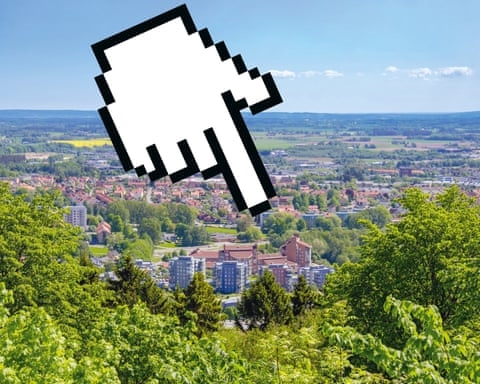
Nestled between Sweden’s two largest lakes lies a city of 58,000 people that has become an improbable epicenter for global video game innovation. This is the story of how Skövde transformed itself from a traditional industrial hub into a breeding ground for some of the world’s most celebrated and unconventional games.
The journey began not with a grand strategy, but with a goat. In 2014, a bizarre, physics-defying trailer for a game called Goat Simulator captured the internet’s imagination. The game, which tasked players with causing maximum chaos as a goat, became a surprise international hit. More importantly, it signaled the arrival of Skövde on the world stage. This success was not a fluke but the first fruit of a carefully cultivated ecosystem that has since produced other major titles like the Viking survival adventure Valheim and the vampire castle-builder V Rising.
The city’s transformation is rooted in a bold educational gamble made at the turn of the millennium. Facing a shortage of students in its IT programs, the University of Skövde decided to pioneer a degree in video game development at a time when such a subject was often dismissed. The guiding philosophy was ambitious: to change the industry, not just serve its existing needs. This program became the cornerstone, attracting creative talent and fostering a unique, collaborative culture.
This academic foundation is powerfully complemented by the Sweden Game Start-Up incubator at Science Park Skövde. The incubator runs a multi-year program that helps small teams transform game concepts into sustainable businesses, providing not just funding guidance but, as one staffer notes, a crucial loan of “self-confidence.” The result is a vibrant community of developers working on diverse projects, from horror-themed golf games to adventures starring cleaning mice.
A key to Skövde’s success is its scale. Unlike major metropolitan areas where graduates can be lost in the crowd, the city’s intimate size fosters a tight-knit community. Developers, educators, and studio heads know each other, creating a network of mutual support where collaboration is the norm. This environment has convinced major studios born in Skövde, like Iron Gate (Valheim) and Coffee Stain (Goat Simulator), to keep their headquarters in the city, further strengthening the local industry.
The achievements are even more notable given the reported lack of a coordinated national strategy for the gaming sector in Sweden. While local municipal support has been strong, industry figures point to a disconnect at the national level, with funding for key support structures being reduced. This has not slowed Skövde’s momentum, but it highlights that the city’s boom has been driven primarily by local initiative and a powerful, organic community spirit.
City officials are now working to ensure local residents are as aware of the gaming industry’s presence as international audiences are. Initiatives like a “Walk of Game” on the city’s main street aim to celebrate this homegrown success story.
Could this model be replicated elsewhere? Experts suggest the formula is deceptively simple: combine dedicated education, business incubation, and community-building in a supportive environment. However, the unique alchemy of timing, persistent vision, and a culture of collaboration that defines Skövde suggests that while its blueprint can be followed, recapturing its specific magic is a formidable challenge. This small city has proven that in the world of digital creativity, the biggest ideas can come from the most unexpected places.