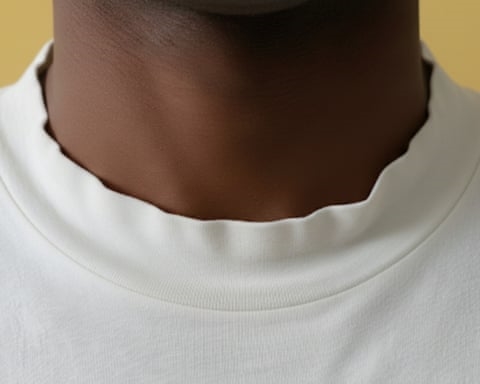
It’s a familiar frustration for anyone who owns a favorite tee: that once-crisp collar slowly loses its shape, becoming wavy, loose, and permanently wrinkled. This sartorial scourge, often humorously dubbed “bacon neck,” plagues everything from basic crewnecks to polos, turning a sharp silhouette into a sloppy mess.
The phenomenon isn’t new. Icons from past decades have been spotted with collars that lost their fight against time and wear. The issue boils down to physics. The knitted ribbing at the neckline contains elastic fibers that, with repeated stress, gradually stretch and fail to recover. Each time you pull a shirt over your head, and each cycle in the washer and dryer, contributes to this irreversible elongation.
The good news is that the process can be slowed. How you handle your shirts makes a significant difference.
Care Starts in the Closet
The first defense is in how you put on and take off your tee. Avoid tugging at the neckline. Instead, cross your arms, grab the bottom hem, and lift the garment overhead. This simple change reduces direct strain on the collar’s most vulnerable part.
Washing Wisely
Laundry habits are crucial. Experts recommend washing T-shirts in cold water, ideally by hand or on a gentle machine cycle. High heat and aggressive spinning accelerate fiber breakdown. If using a dryer, opt for a low heat setting or, better yet, lay shirts flat to air-dry. Never hang a wet shirt by its collar, as the weight of the water will pull it out of shape.
Choosing the Right Shirt
Fabric composition matters. While a thick, 100% cotton body feels luxurious, the collar benefits from a small percentage of synthetic elastane (or spandex)—around 2-5%—to improve its recovery and longevity. When shopping, feel the collar; a bit of inherent stiffness and bounce is a positive sign.
Storage Solutions
For storage, folding is superior to hanging, as it prevents the shoulders from stretching and the collar from bearing weight. If you must hang a T-shirt, always insert the hanger from the bottom hem, never through the neck.
Salvaging the Situation
Once a collar has begun to curl, a complete fix is challenging, but some methods can help. Lightly steaming the neckline on a low setting may relax the fibers. For the craft-inclined, carefully opening the back seam of the collar and replacing the internal elastic can restore tension.
Ultimately, a combination of mindful handling, gentle cleaning, and smart purchasing is the most effective strategy against the inevitable creep of collar curl. It’s a small investment of care to keep a wardrobe staple looking its best for seasons to come.