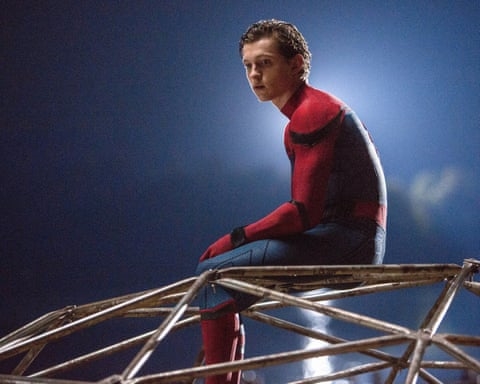
The latest teaser for the upcoming Spider-Man film, Brand New Day, has sparked intense speculation with a single, loaded conversation about genetic alteration. For years, certain concepts within this cinematic universe were treated with notable caution, largely due to complex rights issues that kept specific character lineages off-limits. Heroes typically gained abilities through external means—be it scientific mishaps, enchanted artifacts, or other extraordinary events. The idea of an innate, biological divergence was a narrative path seldom taken, with existing characters sometimes reworked to avoid that particular origin story.
That long-standing approach appears to be shifting. The record-breaking trailer for the new Spider-Man installment shows Peter Parker navigating a life where his secret identity is secure, thanks to a memory-altering spell. Yet, a far more personal crisis is unfolding: Parker himself is undergoing a startling physical transformation. He’s manifesting organic webbing and his eyes have taken on a disturbing, inhuman appearance, suggesting his very DNA is being rewritten. It’s a body-horror twist that implies a fundamental change is occurring within him.
This focus on genetic upheaval is amplified by casting rumors linking a popular young actress to a pivotal comic book role often associated with powerful mental abilities. Within the trailer, a de-powered Bruce Banner explicitly warns Parker that tampering with DNA is “incredibly dangerous.” The dialogue deliberately leans into terminology that fans have long associated with a different, awaited class of heroes. Is Spider-Man’s condition a unique affliction, perhaps tied to an alien influence? Or is it a deliberate narrative signal, testing the waters for a broader introduction of concepts previously kept separate?
While the film’s plot is also rumored to feature street-level villains and a back-to-basics approach for the hero, the prominent genetic theme pulls in a contradictory, expansive direction. The studio has historically handled the idea of mutation with extreme care, treating it as a reserved concept. Now, having central characters casually discuss “warping DNA” represents a significant departure.
The central question becomes one of definition. If the language of genetic mutation becomes broadly applied to any hero undergoing a radical biological change, it risks diluting the unique identity of the groups fans are anticipating. Their potential arrival could feel less like the introduction of a distinct, persecuted minority and more like another entry on a long list of empowered individuals. The trailer for Spider-Man: Brand New Day may not be a full-scale retcon, but it feels like a deliberate, provocative step toward redefining the boundaries of power and origin within this world.