A new study details how financial and administrative measures are being leveraged against individuals living outside their home country, with critics alleging these actions are politically motivated. The report calls for clearer international legal frameworks to address such practices.
The analysis, published by a global think tank, examines cases where individuals have faced unexpected tax bills, the freezing of assets, and the revocation of professional licenses, which they link to their dissenting activities abroad. Researchers argue these “economic levers” create a coercive environment that extends a state’s reach across borders.
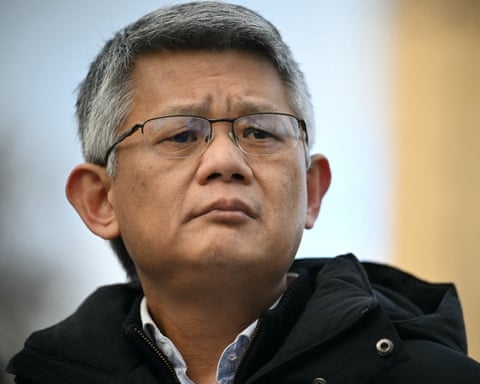
One case cited involves a UK-based trade unionist originally from Hong Kong. He reported receiving multiple tax demands from Hong Kong authorities for periods dating back several years, including liabilities for a business he says he never operated. Having left the region years prior due to political concerns, he described the actions as a form of political targeting, stating the measures demonstrate that geographical distance offers limited protection.
His situation reportedly escalated with an interpol notice for his arrest issued in 2023, questioning of family members still in Hong Kong, and the subsequent cancellation of his Hong Kong travel document. UK counter-terrorism police have since advised him on personal safety measures.
The report also highlights concerns regarding pension access. It notes that individuals who have relocated abroad, particularly under specific visa schemes, have found themselves unable to withdraw their retirement savings from Hong Kong’s mandatory pension fund, as their new residency status is not recognized for early release.
In another instance, a former lawyer now in the UK claims he was compelled to surrender his professional license after making public criticisms regarding legal standards in his home country. He alleges that a judicial official informed him that failure to do so would result in the suspension of his entire former firm’s licenses, leaving him unable to practice in his new country of residence.
The study urges governments, including the UK’s, to formally define and legislate against what it terms “economic transnational repression.” It warns that financial institutions, wary of commercial repercussions in certain jurisdictions, may be unwilling to intervene without clear legal mandates. The report further cautions that international agreements aimed at cooperation, such as those combating money laundering, could be misused to facilitate these pressure tactics if not carefully safeguarded.
The think tank’s recommendations emphasize the need for legal protections to prevent the extraterritorial application of domestic security laws and politically motivated financial actions, arguing that without them, individuals abroad remain vulnerable to coercion that impacts their livelihood and security.