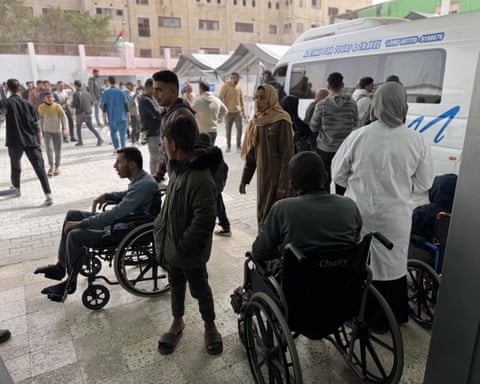
Israel has announced a limited reopening of the Rafah border crossing, the sole passage between the Gaza Strip and Egypt not under direct Israeli control. The move comes amid ongoing diplomatic efforts and will initially permit only a small, regulated number of Palestinians to cross daily.
The crossing was seized by Israeli forces over a year ago, severing a critical route for civilians seeking medical treatment, travel, and commerce. Authorities state that all movement will now be subject to stringent joint Israeli-Egyptian security checks. Initial reports indicate that on the first day, only 50 individuals will be allowed to cross in each direction.
This partial access is seen as a vital, though severely restricted, lifeline. Health officials report that tens of thousands of patients, including more than 11,000 cancer patients, are awaiting medical evacuation. The healthcare system within Gaza has been devastated, with specialized facilities destroyed, leaving many to seek treatment abroad. Aid organizations estimate that hundreds, including children, have died while waiting for permission to leave for care.
For families separated by the conflict, the reopening offers a fragile hope of reunion. Many Palestinians have been stranded in Egypt since the war began, unable to return to their homes, many of which have been destroyed.
The development is linked to the implementation of a broader, U.S.-mediated ceasefire agreement. The initial phase of the deal involved hostage exchanges and increased aid. The more complex second phase envisions the formation of a new Palestinian governing body for Gaza, international security deployment, and steps toward reconstruction.
International observers have described the border movement as a tangible, if incremental, step forward. A European Union mission is reportedly on site to monitor operations and provide support. The limited reopening underscores the profound humanitarian challenges that persist as diplomatic processes continue.