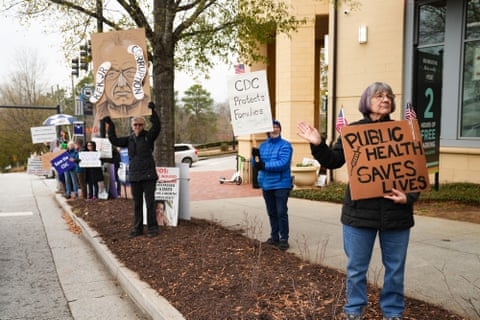
The state of the nation’s health has moved from the periphery to the core of political debate, with a coalition of experts and candidates arguing that safeguarding well-being must be a non-negotiable priority for any elected official.
A newly unveiled policy framework, termed the People’s Health Platform, outlines a series of foundational goals. These include guaranteeing healthcare access for all citizens, strengthening protections for reproductive and gender-affirming care, bolstering preparedness for future pandemics and climate-related health threats, and reforming the tax system. The platform is being presented to candidates across the political spectrum, with endorsements to be made public, giving voters a clear metric on where contenders stand.
Advocates stress that the conversation is not about introducing politics into health, but about reclaiming a domain they argue has already been subjected to severe political pressure. They point to recent federal actions, such as significant cuts to childhood vaccination programs and public health funding, alongside the spread of medical misinformation during disease outbreaks, as evidence of a systemic retreat from established science. Proposed cuts to insurance payments for certain pediatric care have further galvanized the movement.
“The current approach has been one of deliberate dismantling,” stated one congressional candidate, a public health professional. “What we’re seeing isn’t just neglect; it’s an active campaign that harms communities.”
Proponents argue that a functional public health system is as essential as police or fire services and deserves consistent, reliable funding—not the cycle of emergency appropriations followed by cuts that has characterized recent years. They envision a rebuilt system that is more resilient, equitable, and insulated from partisan shifts, staffed by qualified professionals free from political interference in their scientific work.
The platform’s tenets extend beyond crisis response. They call for lowering prescription drug costs, restoring and expanding public insurance programs, reinvesting in scientific research, and combating deep-seated health inequities. The underlying principle is that an individual’s zip code, income, or background should not dictate their access to care or their health outcomes.
This push comes amid a backdrop of tangible public concern: rising insurance premiums, hospital closures—particularly in rural areas—and the resurgence of preventable diseases. These realities, advocates say, are making the consequences of policy decisions personal for voters.
Critics of the current administration’s health approach argue it promotes a hyper-individualistic model that ignores societal factors. “When you tell people their health is solely their own responsibility without ensuring they have the tools, resources, or environment to be healthy, you are abandoning the very idea of public health,” noted one academic involved in the effort.
Ultimately, those championing this agenda believe it transcends traditional partisan divides. They frame it as a matter of common sense and shared interest. “At the most basic level, parents everywhere want healthy children, and communities want safety and stability,” one organizer remarked. “A healthy population isn’t a red or blue issue; it’s the bedrock of a functioning society and a thriving democracy. We need leaders in office who understand that and will protect the systems that keep us all safe.”