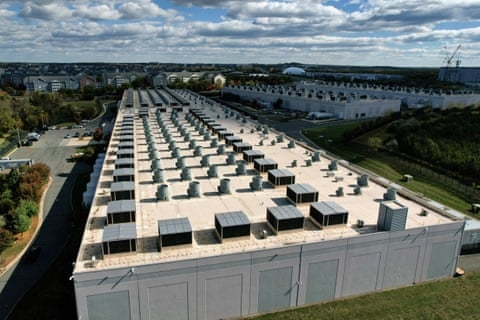
A new legislative effort aims to impose a nationwide pause on the construction of large-scale data centers dedicated to artificial intelligence. The proposed moratorium is framed as a necessary step to allow federal authorities time to develop comprehensive regulations for the rapidly evolving AI sector, addressing concerns over its environmental impact, energy consumption, and broader societal effects.
Proponents of the bill argue that the breakneck speed of AI infrastructure development has outstripped the government’s ability to establish adequate safeguards. They cite the technology’s profound influence on the economy, national security, and daily life as justification for a deliberate, regulated approach. “The pace of this technological shift is without precedent,” stated one of the bill’s sponsors. “Our legislative frameworks have not kept pace with understanding, let alone managing, its wide-ranging consequences.”
This federal initiative follows a growing wave of local action. Over the past year, numerous municipalities and counties have enacted their own temporary bans on new data center projects. Reports indicate that over a dozen state legislatures are now evaluating similar measures, reflecting mounting apprehension at the local level about the industry’s footprint.
The push for a construction pause is bolstered by several public concerns. Foremost are worries about the strain these facilities place on power grids and local water resources, particularly in regions already facing drought conditions or soaring electricity costs. Analyses suggest that in areas with high concentrations of data centers, residential power bills have increased dramatically in recent years. Furthermore, environmental assessments warn that unchecked growth could see the sector become a major contributor to national carbon emissions, potentially undermining climate goals.
Public opinion appears to align with these concerns. Recent polling indicates a majority of Americans are apprehensive about AI’s societal impacts and support stronger oversight of the industry. Specific surveys show significant voter anxiety about rising utility rates and high energy consumption linked to digital infrastructure.
Critics of the current industry trajectory question whether its expansion can be reconciled with community and environmental welfare. “The explosive growth of this sector has often blindsided local communities,” noted a policy advocate supporting the moratorium. “There are fundamental, unanswered questions about whether it can operate without imposing serious burdens wherever it locates.”
The legislative proposal underscores a central debate: who should steer the future of a technology poised to reshape society? The bill’s advocates contend that crucial decisions affecting the economy and democracy should not be left solely to private industry. “This isn’t about stopping progress,” one lawmaker emphasized. “It’s about ensuring that progress is guided by public interest and democratic accountability, not just private profit. The moment to establish that oversight is upon us.”