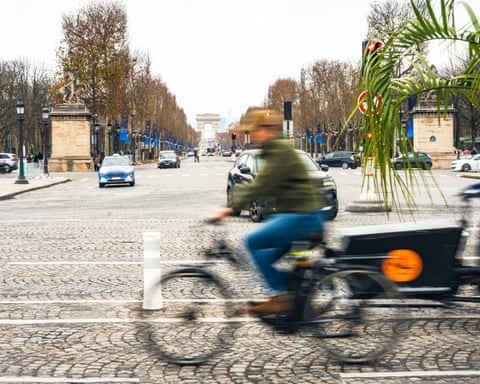
The streets of Paris tell a new story. Where the roar of engines once dominated, the gentle whir of bicycle wheels is now a common soundtrack. This shift marks the culmination of a profound, and at times contentious, decade-long effort to reclaim public space for people, not just vehicles.
A decade ago, cycling in the French capital was an act of courage, reserved for the fearless. Today, a sprawling network of protected bike lanes crisscrosses the city, inviting residents and visitors alike to navigate on two wheels. This transformation did not happen overnight. It was a deliberate, accelerating campaign that saw hundreds of kilometers of dedicated paths installed, tens of thousands of trees planted, and iconic spaces like the banks of the Seine closed to traffic.
The impact is tangible. Streets near schools are quieter and safer for children. Parking spots have blossomed into miniature parks and café terraces. The city’s air quality has notably improved, joining a list of global cities making significant progress against pollution. For many, the change has been liberating, turning a daunting commute into a pleasant journey and fostering a stronger sense of community in neighborhoods.
However, this urban redesign has not been without its critics. The reallocation of street space from cars to bikes and pedestrians sparked significant opposition from some motorists. Referendums on further measures, such as higher parking fees for large vehicles, saw low voter turnout, highlighting a complex public debate. Some argue the changes have created confusion, while supporters counter that any major urban evolution requires adjustment and bold leadership.
Experts note that Paris’s compact administrative boundaries aided this transition, allowing for decisive city-level action. Yet, they emphasize that the fundamental ingredient was political will—the courage to prioritize long-term quality of life and environmental health despite inevitable short-term friction. The city’s progress demonstrates that when safe infrastructure is built, people readily adopt greener habits.
While central Paris has become a showcase for the “15-minute city” model—where daily needs are within a short walk or bike ride—the challenge now extends beyond its historic core. The city’s extensive suburbs remain largely car-dependent, separated by a bustling ring road that acts as a physical and psychological barrier. The next chapter of Paris’s transformation may hinge on integrating this wider metropolitan area into a cohesive, sustainable network.
The Parisian experiment stands as a powerful case study for urban centers worldwide. It proves that reimagining a city’s relationship with the automobile is possible, yielding cleaner air, safer streets, and a more vibrant public realm. The journey continues, but the direction of travel is clear: a future where the city belongs to everyone.