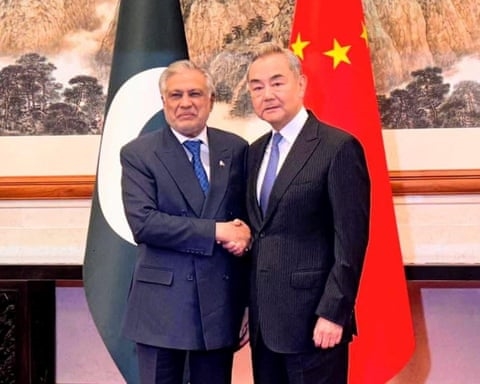
In a coordinated diplomatic move, Pakistan and China have presented a five-point roadmap aimed at halting hostilities in the Middle East. The proposal was finalized during high-level talks in Beijing between the two nations’ foreign ministers.
The initiative calls for an immediate cessation of violence and emphasizes safeguarding crucial maritime routes, notably the Strait of Hormuz. It advocates for dialogue as the fundamental path to resolving the ongoing conflict, though securing the direct participation of key warring parties remains a significant challenge.
Pakistan has actively positioned itself as a potential mediator, leveraging its connections with multiple involved states. Senior Pakistani officials have engaged in communications with leaders from both sides of the conflict, seeking to facilitate dialogue. Recent consultations in Islamabad with regional foreign ministers further underscored this effort, despite the notable absence of the primary adversaries from those discussions.
Analysts observe that Pakistan’s vigorous diplomatic push serves multiple objectives. It aims to elevate the country’s geopolitical profile and reinforce its role as a stabilizing middle power, particularly within the Muslim world. Concurrently, the drive is fueled by pressing national interests. Pakistan shares a lengthy and volatile border with Iran, and fears persist that prolonged conflict could exacerbate regional instability, potentially spilling over into Pakistani territory. The nation also hosts a significant Shia Muslim population, raising concerns about internal sectarian tensions.
Furthermore, the economic repercussions of the war, especially disruptions to energy shipments through the Gulf, have already imposed a substantial cost on Pakistan’s fragile economy. The country’s complex web of alliances, including a defense agreement with Saudi Arabia, also creates delicate balancing act, as it seeks to avoid being drawn into a wider regional confrontation.
The joint Sino-Pakistani framework thus emerges from a blend of international diplomacy and acute national imperatives, highlighting the interconnected stakes for regional players in seeking a peaceful resolution.