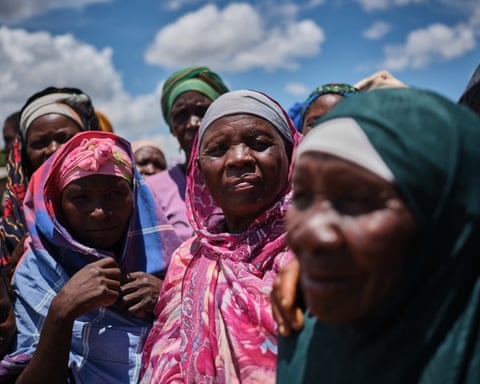
A sharp escalation in militant activity in northern Mozambique has forced more than 300,000 people from their homes since July, according to recent data. This new wave of displacement compounds a humanitarian crisis that has seen over one million people uprooted since 2017, with many families displaced multiple times.
The conflict, driven by an Islamic State-affiliated insurgency, has intensified this year despite the presence of Mozambican forces and a contingent of Rwandan troops deployed in 2021. While initial Rwandan operations reclaimed some territory, analysts report that militant groups have adapted, pushing further south into Nampula province and carrying out increasingly bold attacks against civilians.
Security analysts monitoring the situation note a shift in the military dynamic. There are reports that Rwandan forces have reduced patrols as Mozambique seeks to take a leading role in combat operations. This transition coincides with a reported rise in civilian casualties. Conflict data indicates that attacks this year have resulted in hundreds of deaths, over half of whom were non-combatants, representing a significant increase from the previous year.
The human cost extends beyond direct violence. Aid organizations report a alarming rise in the abduction of children by militant groups for purposes of forced labour or recruitment. Furthermore, mass displacement is exacerbating risks of sexual violence and exploitation, particularly for women and children, who make up a large proportion of those fleeing.
Concurrently, international support for the humanitarian response is dwindling. Current funding covers just over half of the estimated needs, a drop from previous years as global attention and resources are diverted to other crises. This shortfall leaves displaced populations in overcrowded settlements with severely limited access to shelter, clean water, and medical care.
While the Mozambican government has expressed a desire for dialogue to end the conflict, observers remain skeptical, noting a lack of concrete initiatives after eight years of fighting. Some analysts suggest military efforts have been disproportionately focused on securing a major multinational liquefied natural gas project in the region, rather than ensuring broader civilian safety.
For the civilians caught in the conflict, the immediate desire is for an end to the violence that has disrupted their lives for nearly a decade. Many displaced people express a simple wish to return home, rebuild their communities, and resume the livelihoods that have been shattered by persistent insecurity.