A prominent voice in the fashion industry is demanding a formal congressional investigation into the role modeling agencies may have played in the network of the late financier and convicted sex offender Jeffrey Epstein.
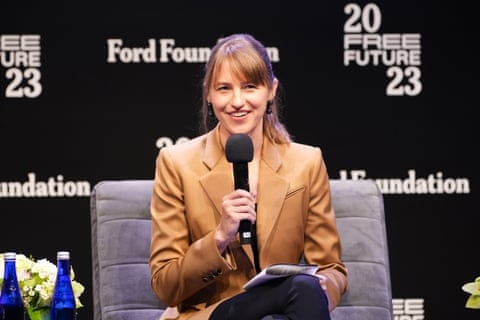
Sara Ziff, founder of the advocacy group Model Alliance, has publicly stated that leaders of major modeling firms should be compelled to testify before the House Oversight Committee. The call centers on what she describes as a systemic failure that allowed vulnerable young models to be targeted.
“A full investigation into how modeling agencies enabled abuse is necessary,” Ziff stated, arguing that subpoenaing industry executives is a warranted step. She and over 40 survivors of Epstein’s trafficking have petitioned the New York Attorney General and key members of Congress to launch an inquiry.
Their formal letter argues that repeated mentions of agents, scouts, and agency owners in legal documents and victim testimonies suggest a pattern far beyond isolated misconduct. It describes a power dynamic within fashion that allegedly turned some agencies into conduits, funneling teenagers to predatory individuals.
The letter specifically cites public records and Department of Justice files, asserting that Epstein’s operation “directly intersected with modeling agencies and executives,” who are accused of introducing him to potential victims and facilitating access.
Ziff, a former model turned activist, has previously led successful legislative efforts. Last year, she helped champion the New York Fashion Workers Act, a law designed to bolster labor protections for models. She now contends that the same structural imbalances the law seeks to correct also created an environment ripe for exploitation.
The petition names several industry figures for scrutiny, including former agency executives whose names have been linked to Epstein or who face separate allegations of sexual misconduct. “It is essential that officials examine whether and how these agencies facilitated abuse,” Ziff said. “This demands further scrutiny.”
One congressman receiving the letter has pledged action, stating he will urge the oversight committee to investigate and use its subpoena power to question individuals from the modeling world connected to the case.
This push for accountability follows the passage of the Fashion Workers Act, which Ziff says began addressing a foundational “power imbalance” in the industry. The new regulations grant models greater control over their contracts and include safeguards against harassment and unsafe working conditions. However, the law’s reach is currently limited to New York, and its full impact remains to be seen.
“Is it a complete solution? No,” Ziff acknowledged. “There is more work to be done, but it is a step toward prevention.”
Key provisions now make agencies liable for sending models to known abusers and curb predatory fees that trapped models in debt—a situation Ziff says forced some to accept dubious social engagements just to afford meals.
“A lot of questionable, even criminal, behavior had been normalized,” she said. “I wouldn’t have spent over a decade in this work if I hadn’t experienced that kind of abuse myself.”
Ziff’s advocacy began after her own modeling career, which she documented in the film Picture Me. The project revealed the stark contrast between the industry’s glamorous facade and the exploitative realities faced by many, particularly young, aspiring entrants.
“What looks like glamor on the outside was, for many of us, a system that routinely placed teenagers in dangerous situations,” she reflected. She notes that while successful top models might enjoy some protection, a far larger group remains vulnerable.
Speaking out, she admits, came at a significant personal and professional cost, effectively ending her modeling income. “It certainly didn’t help my career,” she said. “But this work has been far more meaningful. It’s not common to speak out about abuse, but that silence isn’t unique to modeling.”
The campaign underscores a broader plea: that the issues within modeling are not isolated but reflect urgent concerns about workers’ and women’s rights that extend far beyond the fashion world.