A series of major assaults by jihadist militants in northeastern Nigeria has resulted in significant military and civilian casualties, according to recent battlefield reports. Over a two-week period, fighters from the Islamic State West Africa Province (ISWAP) have targeted multiple army positions in Borno State, an area long plagued by extremist violence.
The most intense fighting reportedly occurred in early March, when ISWAP forces overran several military bases. While official casualty figures remain contested, credible assessments indicate dozens of soldiers were killed in these engagements. In a subsequent statement, the Nigerian military acknowledged repelling coordinated attacks on several locations but did not confirm specific losses.
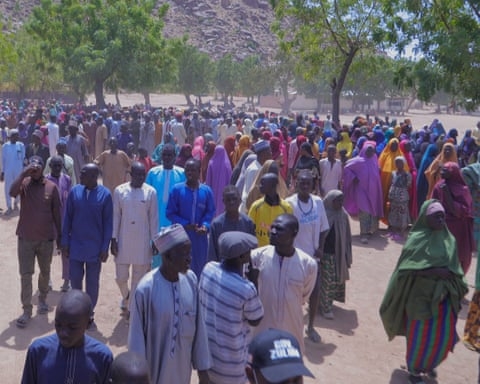
Beyond the military toll, the raids have had a severe impact on the civilian population. Conflict monitors report that hundreds of residents, including women and children, were abducted during the operations. The militants are said to have employed advanced weaponry, such as drones and heavy machine guns, during these incursions.
This latest wave of violence is part of a protracted insurgency that has destabilized Nigeria’s northeast for nearly two decades. The conflict, which originated with the Boko Haram uprising, has since splintered into factions, with ISWAP emerging as a particularly potent and brutal force. The violence has spilled across borders, creating a regional humanitarian crisis in the Lake Chad basin that has displaced millions.
The Nigerian government’s handling of the security situation continues to face scrutiny. Recent criticisms have focused on perceived missteps by political leaders, including public engagements deemed insensitive amid the ongoing military losses. This has fueled public debate about national priorities as security forces contend with a resilient and adaptive enemy.
The situation has also drawn international attention. A contingent of foreign military personnel recently arrived in the country to provide training support, highlighting the transnational concern over the enduring threat posed by jihadist groups in the region.
The persistent attacks underscore the formidable challenge facing Nigerian security forces as they attempt to secure a region weary from years of conflict and instability.