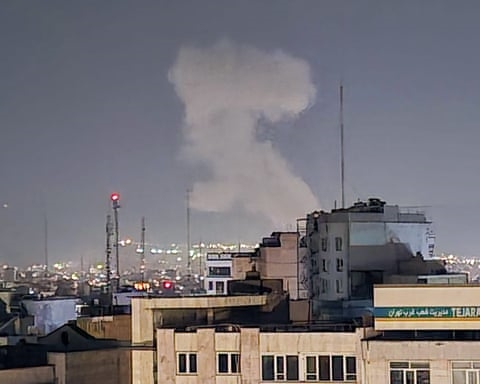
A severe new phase in the ongoing Middle East conflict has emerged, with direct threats against the region’s critical water and energy systems raising fears of a humanitarian catastrophe. The crisis intensified following a stark ultimatum from the United States, prompting a retaliatory vow from Iranian leadership.
The Iranian parliament’s speaker declared that essential regional infrastructure, including desalination plants and energy facilities, would be “irreversibly destroyed” if the country’s own power plants were targeted. This statement came in direct response to a U.S. threat to strike Iranian electrical generation sites unless a key global oil shipping lane was reopened within 48 hours.
The strategic waterway, a chokepoint for approximately one-fifth of the world’s seaborne oil, has seen traffic drastically reduced, effectively closed to vessels from nations deemed hostile by Tehran. This blockade has triggered the most severe global oil supply crisis in decades, sending energy prices soaring.
Military tensions have escalated sharply. Overnight, Iranian missile strikes targeted two southern population centers in Israel, injuring scores of civilians, including children. Israeli authorities reported that the projectiles, which landed near a sensitive desert facility, penetrated air defenses for the first time. In retaliation, Israel has vowed to pursue senior Iranian military commanders.
In a significant expansion of its military reach, Iran also launched long-range ballistic missiles for the first time, targeting a remote Anglo-American military base in the Indian Ocean. While one missile was reportedly intercepted and another fell short, the demonstration of capability has heightened international alarm.
The conflict’s human cost continues to mount. Casualty figures in Iran have risen into the thousands since hostilities began last month, while cross-border strikes have drawn other nations into the fray. In Lebanon, clashes have intensified, with Israeli ground operations expanding. Separate violence has also flared in the occupied West Bank.
International organizations have issued grave warnings. A leading human rights group cautioned that attacks on essential civilian infrastructure could violate international law and potentially constitute war crimes due to the predictable widespread harm to populations. The World Health Organization highlighted the “perilous” stage of the conflict, particularly condemning any strikes near nuclear sites.
The U.S. justification for its ultimatum centers on the assertion that Iranian military forces control national infrastructure to fuel their war efforts. However, a key European ally publicly distanced itself from the specific threat against power plants, stating the U.S. position was not a collective one.
With a critical deadline looming, analysts warn of a “ticking timebomb” over global energy and financial markets. The direct targeting of systems millions depend on for water and electricity marks a dangerous escalation, pushing the region toward a potential disaster that extends far beyond the battlefield.