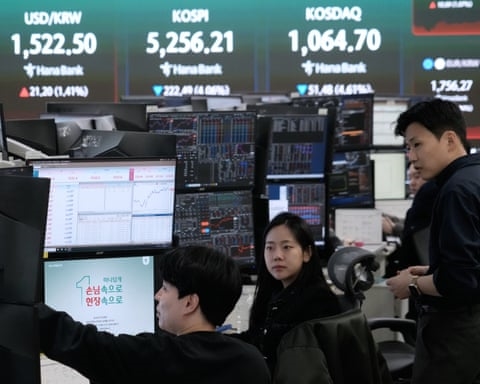
Financial markets experienced significant turbulence following a stark international address, which signaled an escalation rather than a de-escalation of hostilities in a key oil-producing region. The remarks dashed investor hopes for a swift resolution, triggering a flight from risk and a surge in commodity prices.
The immediate impact was felt most sharply in the energy sector, where the global benchmark for crude oil surged over 8%, breaching the $109 per barrel threshold. This sharp increase effectively erased the previous day’s decline, which had been fueled by optimism about potential peace talks.
Equity indices across Asia and Europe fell in response. Major markets from Tokyo to Frankfurt posted notable losses, with some regional indexes particularly sensitive to supply chain disruptions shedding nearly 5%. The contagion effect underscored deep-seated concerns about prolonged instability.
The volatility extended to bond and currency markets. Government borrowing costs edged higher as traders priced in the inflationary pressure from rising energy prices. Simultaneously, the U.S. dollar strengthened as investors sought traditional safe-haven assets, applying downward pressure on other major currencies like the British pound.
Analysts suggest the market reaction stems from a reassessment of supply risks. With the conflict showing no signs of abating, hundreds of millions of barrels of oil are effectively sidelined, forcing a recalculation of global economic prospects. One market commentator described the situation as a return to “pricing in economic catastrophe,” as expectations for a quick normalization evaporated.
The repercussions are already translating to consumer costs. Motorists are facing record monthly increases in fuel prices at the pump, surpassing previous spikes linked to other geopolitical events. Furthermore, central banks have warned that the financial shockwaves could impact millions of households, potentially raising mortgage payments and broader living costs.
The market gyrations reflect a fragile global economy bracing for sustained disruption, with energy security and inflation now paramount concerns for policymakers and investors alike.