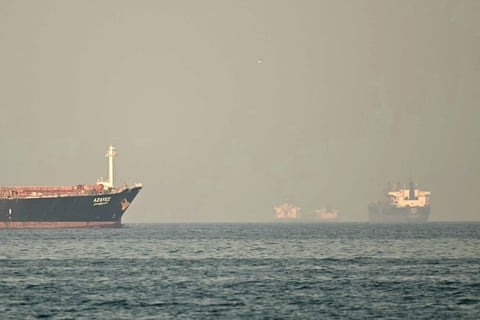
Following diplomatic discussions with regional leaders, Malaysia has announced that its commercial vessels are now authorized to transit the Strait of Hormuz. Prime Minister Anwar Ibrahim confirmed the development, stating that coordination with Iranian authorities has facilitated the release of Malaysian oil tankers and their crews, allowing them to resume their journeys.
The prime minister emphasized the critical importance of the waterway to Malaysia’s economy, noting that roughly half of the nation’s oil supply is transported via this route. He described managing the fallout from the ongoing regional conflict and the associated disruption to energy shipments as a pressing national priority.
The strategic strait has seen severely restricted traffic since hostilities escalated, with only a limited number of vessels successfully navigating the passage. Most transits have involved Iranian-flagged ships, though some from other nations, including Thailand and China, have also reportedly made the journey following diplomatic engagements.
In a related incident this month, a Thai-flagged cargo vessel was damaged in the strait and later ran aground near the Iranian coast. Most of its crew were rescued, though several remain missing.
The prolonged closure of this vital maritime corridor, which typically handles a significant portion of the world’s seaborne oil, has spurred international concern. The United Kingdom has recently proposed hosting a security summit aimed at developing a coordinated strategy to restore safe and open navigation through the strait, as the economic consequences of the blockade continue to ripple through global markets.