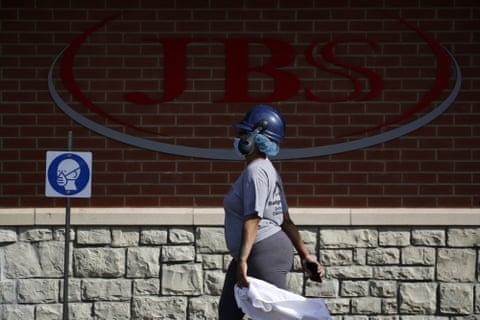
A major beef processing facility in Colorado is preparing for a significant work stoppage, as thousands of employees are set to walk off the job. The planned action marks the first large-scale strike within the meatpacking sector in many years.
The labor dispute centers on a plant in Greeley, Colorado, operated by a subsidiary of the world’s largest meat producer. Union members voted overwhelmingly to authorize the strike following months of failed negotiations for a new labor agreement. Union leadership states this will be the first strike in the plant’s history.
Workers have raised a series of grievances against the company. These include allegations that employees have been forced to pay for their own expensive safety gear, claims of discrimination against immigrant workers, and accusations that the company has presented inadequate contract offers. The union also points to an ongoing legal case alleging discriminatory practices against specific worker groups at the facility.
The company has stated it operates in compliance with all labor laws and has expressed disappointment that negotiations were halted. It characterized its last offer as strong and fair, aligning with a national agreement it recently reached with the union’s international body covering thousands of other workers. The company has indicated it will attempt to shift operations to other locations to mitigate supply disruptions should the strike proceed.
This labor action unfolds against a backdrop of record profits reported by the company’s North American division. Union representatives argue that the financial health of the corporation contradicts its position at the bargaining table, particularly on issues like wage increases and healthcare costs. They also note the challenging and hazardous nature of the work, emphasizing that many employees cannot afford the very products they process.
The potential strike could have ripple effects on the meat supply chain, potentially impacting market prices. It also brings renewed attention to working conditions and labor relations in a critical industry.