A new chapter is beginning for Lancashire County Cricket Club, one that officials hope will revitalize both its sporting ambitions and its relationship with supporters. The recent acquisition of a second ground at Farington, near Preston, represents a significant strategic shift for the historic club.
The 2025 campaign proved a turbulent ride. Pre-season optimism, fueled by predictions of a swift return to the County Championship’s top tier, quickly dissolved. A dismal start saw the team languish without a victory for months, leading to a change in leadership. Captain Keaton Jennings stepped aside, and head coach Dale Benkenstein departed.
However, a mid-season turnaround, steered initially by interim coach Steven Croft, salvaged pride. The team reached T20 Blast finals day and climbed to a respectable fifth-place finish in Division Two. Croft has since been appointed permanently, while the iconic James Anderson has committed for another year, taking on the red-ball captaincy for 2026. New signings, including overseas players Chris Green and Marcus Harris, bolster the men’s squad, and the arrival of Australian legend Meg Lanning is a major coup for the women’s team.
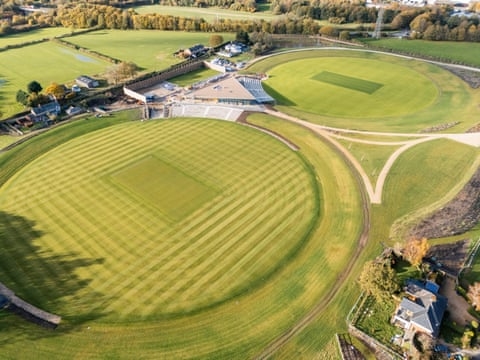
The centrepiece of the club’s future, however, lies off the pitch. The new Farington complex, developed on green-belt land, features two ovals: a professional-standard ground for elite teams and a separate recreational pitch. Inspired by community-focused venues like New Zealand’s Hagley Oval, it incorporates grass banks and is designed to be a destination for families. As part of the agreement with local authorities, the club has pledged hundreds of hours of community outreach, with a stated aim of providing cricket experiences to children across the county’s state schools.
This development marks a conscious pivot in strategy. Club leadership acknowledges that commercial projects, such as the hotel developments at Old Trafford, have been the priority for the past decade. The focus is now stated to be squarely on cricket and facilities, with promised upgrades to the existing Old Trafford training centre.
Yet, the move has not been universally welcomed by the club’s famously passionate and sometimes disgruntled membership. Some express practical concerns about Farington’s accessibility compared to the Manchester hub. A more significant worry is that the new ground could eventually replace cherished traditional outgrounds like Blackpool, which are beloved for their unique atmosphere and are often sell-out occasions. Club officials have given assurances about maintaining some outground cricket, but Farington is expected to become the primary secondary venue.
Construction is ongoing, with the pitch preparation set to begin in spring. The ambition is to host professional men’s and women’s matches at the venue by the summer’s end, though the readiness of new playing surfaces remains uncertain. The accompanying indoor training facilities, partially funded by the national cricket board, will follow later.
The facility has already drawn admiring glances from other counties facing ground challenges. Club executives believe the dual-purpose complex—catering to both elite performance and community engagement—is unprecedented in English domestic cricket and will be a powerful tool for attracting talent.
The ultimate test, however, will come from the members and the players. After seasons of frustration, the club is betting that this major investment in infrastructure will be the foundation for renewed success and a restored bond with its supporters. The proof, as ever, will be in the performance.