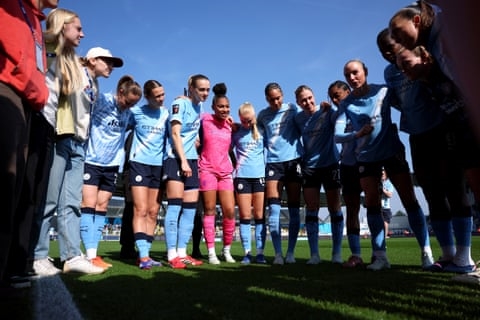
A significant shift is occurring in the insurance landscape for professional sportswomen, with new policies being developed to cover health conditions historically overlooked. This initiative aims to close critical gaps in coverage related to pregnancy, menopause, contraception, and syndromes that disproportionately affect women in sports.
The effort stems from a collaborative project involving academic experts and major insurance providers. The focus is on crafting insurance products that properly support female athletes throughout their careers, acknowledging the unique physiological challenges they face. A primary target is addressing coverage for Relative Energy Deficiency in Sport (RED-S), a complex condition arising from insufficient calorie intake to support training demands, which can lead to serious health consequences like hormonal disruption and bone stress injuries.
“This is a pivotal moment,” stated a former international footballer who led a major review of the women’s game. “Watching these practical changes take shape validates the entire push for reform. It’s a testament to everyone who championed this cause.”
The drive for change is being led by a government-established taskforce focused on advancing women’s football. A senior official overseeing sports policy hailed the development, noting, “This proactive change is exactly the kind of progress we need. Credit is due to the insurers and the academic leaders who have worked diligently to refine these products and make a real impact.”
This insurance overhaul forms part of a broader national strategy to foster growth in women’s and girls’ sports over the next ten years. It follows other recent advancements, including the establishment of a professional minimum wage in the top women’s football league and formal union representation for players.
On the industry front, broker associations and leading firms are actively identifying and removing standard exclusions from policies. One major broker has already updated its personal accident coverage to standardly include miscarriage resulting from a sporting accident. Other specialist insurers and industry groups are concurrently reviewing their product offerings for female athletes across the board.
The academic lead on the project emphasized the wider importance of the move. “Creating tailored products for sportswomen is a crucial step toward achieving equitable, world-class standards,” she said. “The positive engagement from the insurance sector has been essential. Together, we are working to level the playing field and support the continued success of our athletes.”