An overwhelming majority of Israeli citizens continue to back the ongoing military engagement with Iran, a stance that stands in stark contrast to declining international support. This divergence highlights a growing isolation for the country as global opinion turns against the conflict.
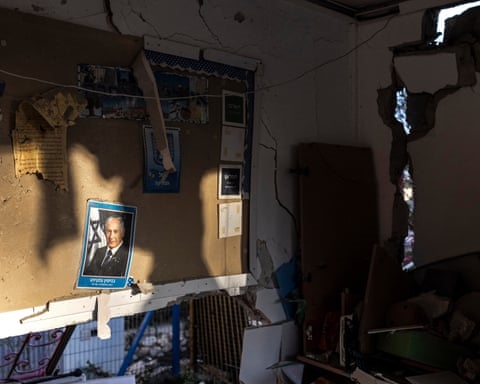
Within Israel’s borders, public approval for the campaign remains exceptionally high, exceeding 90% among the Jewish population according to recent surveys. This support persists despite significant domestic disruption, including civilian casualties, widespread school closures, and the constant strain of missile alerts. For many Israelis, the immediate hardships are viewed as a necessary price for achieving long-term national security, a perspective solidified since the traumatic attacks of October 2023.
Daily life reflects this wartime reality. In cities like Jerusalem, routines are dictated by the need to stay near shelters, with businesses operating under restrictions and many working remotely. The psychological toll is considerable, with residents describing a state of perpetual fatigue and anxiety. However, this shared experience is not uniform across all communities. Access to protective infrastructure is far more limited for Palestinian citizens of Israel and those in the occupied West Bank, where warning systems are often absent.
Interestingly, this broad public consensus on security policy has not revived the political standing of Prime Minister Benjamin Netanyahu. While polls indicate trust in his handling of the Iran conflict, his coalition trails ahead of elections scheduled for later this year. Analysts note that Netanyahu, facing ongoing corruption charges, is deeply invested in securing another term and has sought political assurances.
A significant concern among some security officials is the strategic cost of the campaign, particularly the potential long-term damage to Israel’s crucial alliance with the United States. The current approach marks a sharp departure from a decades-old foreign policy based on bipartisan American support, now heavily reliant on a close relationship with a single U.S. political faction. Should the war be perceived as a failure in Washington, it could trigger a fundamental reassessment of the alliance, a risk that some warn could outweigh any tactical military gains.
The conflict’s economic repercussions are beginning to intensify globally, further eroding international backing. From Europe to the Gulf states, the war is deeply unpopular. This widening gap underscores a profound sense of national isolation within Israel, a sentiment that appears to be hardening as the fighting continues. The prevailing view inside the country—that security can only be guaranteed through military strength—increasingly sets it apart on the world stage, even as the consequences of that stance mount.