In a landmark election marking the nation’s return to democratic rule, the Bangladesh Nationalist Party (BNP) has secured a decisive parliamentary majority. The vote, widely regarded as the country’s first credible electoral contest in nearly two decades, follows the ousting of former Prime Minister Sheikh Hasina’s long-standing government.
Official results confirm the BNP-led alliance captured 212 seats, paving the way for the party’s return to governance after a twenty-year absence. The primary opposition bloc, spearheaded by the Islamist Jamaat-e-Islami party, secured 77 seats.
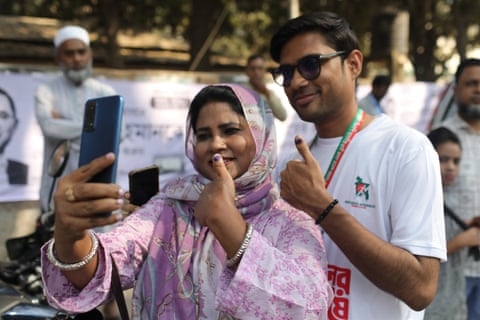
The polling process was notably peaceful, a significant departure from recent elections marred by violence and allegations of systemic rigging. Voter turnout reached 59.4%, a substantial increase from previous years, with officials highlighting robust participation from the overseas diaspora.
“This outcome reflects the people’s mandate for change and accountability,” stated a senior BNP official, who acknowledged the formidable challenges ahead. “Our immediate task is to govern justly, combat corruption, and restore public faith in our institutions.”
International reaction has been swift, with neighboring India, alongside the United States and Pakistan, extending formal congratulations to the incoming administration. The Indian Prime Minister expressed a commitment to supporting a “democratic and progressive” Bangladesh, signaling a potential reset in bilateral relations that had deteriorated in recent years.
The election concludes a transitional period overseen by an interim government. The vote also included a referendum on constitutional reforms designed to prevent future authoritarian rule, which preliminary reports indicate has passed.
The BNP’s presumptive prime minister, Tarique Rahman, returned from exile late last year. His party now faces the immense task of stabilizing the economy, ensuring the rule of law, and meeting the high expectations of a populace that mobilized for political change.
The defeated Jamaat-e-Islami party, while conceding, raised concerns over isolated counting irregularities. The party’s significant seat gain, despite controversy over its social policies during the campaign, positions it as a major opposition force.
Sheikh Hasina, now in exile and previously sentenced for crimes against humanity by a national tribunal, dismissed the election as illegitimate. Her political party was barred from participation.
For many citizens, the act of voting carried profound symbolic weight. “We finally cast ballots without fear,” one Dhaka resident remarked, echoing a sentiment felt at polling stations nationwide. “The real work of rebuilding our nation begins now.”