A military confrontation involving Iran has triggered severe economic disruptions worldwide, with the closure of a critical maritime chokepoint sending shockwaves through global energy, food, and transport systems.
The strategic Strait of Hormuz, a passage for approximately one-fifth of the world’s seaborne oil, has been effectively shut. This action, coupled with attacks on regional energy infrastructure, has precipitated what analysts describe as the most significant oil supply disruption in decades. While Western nations brace for impact, populations across Asia and the developing world are already grappling with acute consequences.
Immediate Economic Fallout
The crisis has manifested in starkly different ways across continents:
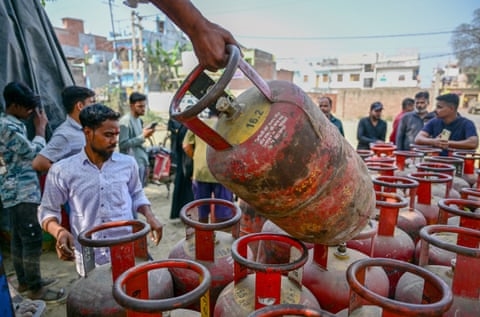
In India, the national currency has suffered its steepest decline in years amid fears that soaring energy import costs will stifle economic growth. The restaurant sector is under severe strain, with many establishments reducing operating hours, simplifying menus to conserve cooking gas, or closing entirely.
Thailand’s vital tourism industry is facing a sharp downturn. Flight cancellations have surged, and pre-booked holiday tours are being scrapped, leaving hotels, guides, and local businesses facing steep losses during what is typically a busy season.
Sri Lanka has been forced to reinstate a fuel rationing system, reminiscent of its previous economic crisis. Long queues form daily at petrol stations, with drivers of auto-rickshaws—a common mode of transport—reporting they cannot secure enough fuel to earn a living.
South African airlines have implemented emergency fuel surcharges as jet fuel prices soared by 70% in a single week. Economists predict sharp increases in petrol and diesel prices for consumers, forcing the central bank to redesign its annual economic forecasts.
Broader Supply Chain Crisis
The blockage at Hormuz extends far beyond crude oil. Maritime data indicates a logjam of over 1,500 vessels, carrying cargoes essential for global industry and agriculture. These include:
Fertiliser components such as urea and phosphates, with up to 30% of global supplies normally transiting the strait.
Key construction materials like bauxite, cement, and steel.
Grain shipments, primarily corn.
The fertiliser shortage poses a direct threat to food security, particularly in intensive agricultural economies. Countries like Bangladesh, which relies on the Gulf for over half of its fertiliser, along with India and Thailand, face potential shortfalls that could reduce crop yields in the coming planting season. One Indian fertiliser plant has already halted operations due to feedstock shortages.
Societal and Political Strain
The economic pressure is testing social cohesion and government stability:
In Bangladesh, families travelling for the major Eid festival faced doubled bus fares and chaotic scenes at terminals due to fuel shortages and transport disruptions. The government has implemented electricity rationing and deployed troops to prevent fuel hoarding.
Japan has begun tapping its strategic oil reserves and subsidising suppliers. The crisis has even impacted popular culture, with a snack manufacturer halting production of a beloved crisp line due to an inability to secure heavy oil for its fryers, sparking widespread dismay on social media.
In Europe, a series of minor but symbolic attacks on Jewish institutions have raised security concerns, with officials investigating potential links to the broader conflict.
Shifting Global Dynamics
The turmoil has altered international economic dynamics. While net energy importers struggle, some exporters stand to benefit. Russia, in particular, has seen a significant financial windfall, with billions earned from fossil fuel sales in the conflict’s immediate aftermath. Observers note that global market panic often enriches authoritarian resource exporters, potentially undermining longer-term sanctions regimes.
As governments from Spain to the Philippines enact emergency measures—from rent freezes to shortened workweeks—the overarching message from economic institutions is clear: the global system is enduring repeated, compounding shocks. The duration of the Hormuz closure will determine whether current disruptions become a prolonged crisis with deeper consequences for inflation, poverty, and political stability worldwide.