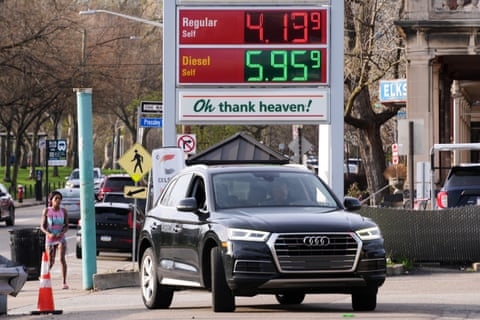
The economic landscape is shifting under the weight of international conflict, with consumers bracing for a sustained period of higher prices. The ongoing military engagement in the Middle East is disrupting global energy markets, a development that experts warn will ripple through the entire economy, affecting everything from transportation to household essentials.
The immediate impact is visible at the pump and in airfare, but analysts emphasize this is merely the initial symptom of broader instability. The price of crude oil has climbed significantly since hostilities escalated, breaching key thresholds. This surge is partly attributed to strategic control over a critical maritime chokepoint, a passage vital for a substantial portion of the world’s seaborne oil trade.
Statements from political leaders asserting national energy independence have been met with skepticism from market specialists. They note that oil is a globally traded commodity, meaning domestic production does not insulate a country from worldwide price shocks. When logistical arteries are constrained—whether by blockade or by imposing steep transit fees—the resulting increased costs for shipping and transportation are inevitably passed through the supply chain.
Major corporations are already adjusting. Several national and international shipping and logistics firms have announced new fuel-related surcharges. Similarly, a leading e-commerce platform has notified third-party vendors of an impending fee increase to offset rising distribution expenses. Even national postal services are implementing adjustments, citing the need to manage escalating operational costs.
The situation is compounded by the drawdown of national strategic petroleum reserves. Economists point out that once these stockpiles are depleted, they must be replenished, potentially at even higher market prices, creating a secondary wave of upward pressure.
The consequences extend far beyond fuel. Petroleum is a foundational component in manufacturing a vast array of products, including agricultural fertilizers and pharmaceuticals. As the cost of oil and diesel rises, so does the expense of cultivating crops and raising livestock. Industry groups project that sustained increases in transportation and production costs will translate into noticeably higher food prices in the coming months.
Retailers and food processors, anticipating these cost pressures, may begin to adjust shelf prices preemptively to avoid a sudden, sharp increase for consumers later.
While the duration of the military conflict remains uncertain, analysts agree that its economic aftershocks will persist. The event has highlighted a permanent vulnerability in a key global trade route, introducing a lasting “risk premium” into market calculations. This means that even after a potential ceasefire, the heightened costs associated with securing energy supplies may not fully recede.
The prevailing sentiment among observers is that the current economic climate marks a new phase. The inflationary pressures unleashed by the conflict are likely to embed themselves deeply into the cost structure of everyday life, signaling an end to an era of relative stability for consumer budgets.