The streets of Manila tell a story of quiet desperation. For drivers like Jayson, a tricycle operator, the simple math of daily survival has become impossible. The money he earns ferrying passengers is now consumed by the soaring cost of the gasoline needed to do his job. What was once a modest income to support his family has been hollowed out, forcing painful sacrifices.
This struggle is echoed across the nation. The Philippines, heavily reliant on imported fuel, finds itself acutely vulnerable to global oil market shocks. A recent, sharp spike in prices has triggered a national emergency declaration, placing immense strain on an economy where transportation is a lifeline. For those behind the wheel, the crisis is immediate and personal.
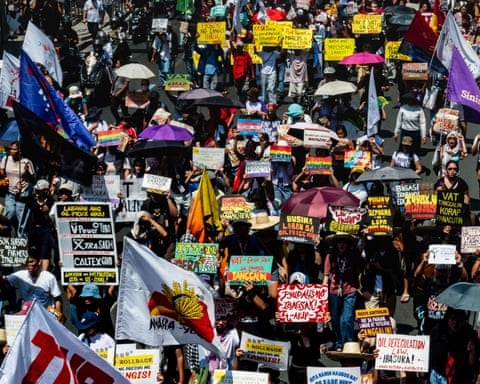
Many drivers report working punishingly long hours—well into the night—just to match their previous earnings. The alternative is to watch their families go hungry. The government has announced it has secured sufficient oil supplies for the coming months and is seeking new sources, but these assurances offer little comfort on the front lines. Anger is mounting, manifesting in nationwide protests where transport groups demand immediate government intervention through tax relief and policy changes.
Critics argue the administration’s response has been inadequate. “This is more than an economic problem; it’s a human rights issue,” stated one activist at a recent demonstration. “When fuel costs rise, the price of everything follows, threatening access to food and other essentials for the most vulnerable.”
Economists warn the worst may be yet to come. The ripple effects are expected to drive inflation to levels not seen in years, with food prices poised to surge as higher transport costs work their way through the supply chain. Already, signs of public anxiety are visible, with reports of stockpiling at grocery stores and increased interest in alternative energy.
The strain has also frayed social bonds, with isolated incidents of fuel theft reported. Yet, in a poignant counterpoint, a grassroots spirit of solidarity is re-emerging. Inspired by community efforts from the pandemic, pop-up pantries are reappearing in neighborhoods, offering free food packs to struggling drivers. For men like Jayson, these small acts of generosity provide not just material aid, but a crucial glimmer of hope amid the deepening crisis.