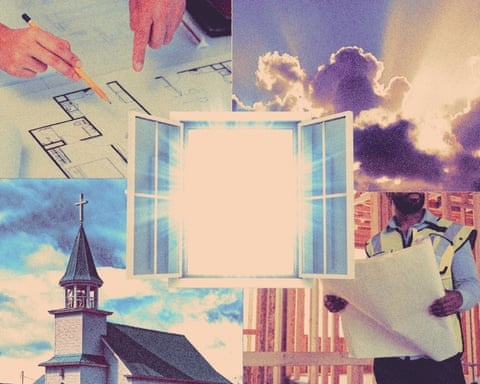
Across the United States, a quiet revolution is taking shape on land owned by churches, mosques, and synagogues. Faced with a severe national housing shortage and rising costs that are displacing longtime residents, these faith-based organizations are increasingly looking to their own properties—underused parking lots, empty parcels, and aging buildings—as sites for new affordable housing developments.
This burgeoning trend, often referred to as the “Yes in God’s Back Yard” or YIGBY movement, is gaining momentum as a practical response to a critical need. With the nation facing a deficit of millions of homes and rental prices consistently outpacing inflation, these institutions are leveraging their unique assets: land, deep community roots, and a mission to serve.
The journey from concept to completion is often a long one. A project in Charlotte, North Carolina, for instance, took nearly a decade from initial proposal to opening its doors, ultimately providing 105 new apartment units with half priced affordably. Such developments are not merely about constructing buildings; leaders emphasize a goal of fostering stable, walkable communities and preventing the displacement of existing residents.
“Affordable housing financing is exceptionally complex and costly,” explained one community development expert. “When an institution already owns the land, it dramatically changes the financial equation, making these projects more feasible.”
For many congregations, this shift is also a strategic adaptation. With memberships aging and attendance patterns changing, developing housing represents a way to sustain their community mission in a new, tangible form. Their established trust within neighborhoods can also help navigate the often-contentious approval processes that stall other developments.
However, the path is not without significant hurdles. Projects still face familiar obstacles: restrictive local zoning laws, high construction and labor costs, and complex funding puzzles. Legislative support is growing in response, with several states passing laws to streamline zoning for faith-based housing and bipartisan bills under review in Congress that would provide grant funding to accelerate the movement.
The demand for such housing is undeniable. In New York City, the waiting list for one church-affiliated senior housing facility alone numbers over 800 people. The profound impact is captured in the words of one resident, who described living there as feeling “as close to heaven as they’re ever going to get.”
As one longtime housing advocate involved with these projects noted, the aim aligns with a foundational teaching: to do more than what is expected. In turning sacred land into sanctuary homes, these institutions are building a powerful testament to faith in action, offering not just a roof overhead, but a foundation for community in the midst of a national crisis.