Reports emerging from the Middle East present a contradictory picture regarding Iran’s position on a proposed ceasefire to end the ongoing conflict. While some channels indicate a rejection of the plan, others suggest the door to negotiations remains open.
The United States is reported to have forwarded a detailed 15-point proposal to Iranian officials through diplomatic channels. Initial reactions from Tehran, as conveyed by various media outlets, have been described as negative. One state-affiliated broadcaster quoted a senior security official outright rejecting the terms, labeling them as “excessive,” and stating that any end to hostilities would only occur on Iran’s own conditions.
However, conflicting reports cite other Iranian sources claiming the proposal is still under review, stopping short of a definitive rejection. This ambiguity has created significant uncertainty over the potential for near-term diplomatic talks. The head of the International Atomic Energy Agency has been quoted suggesting that discussions could potentially begin in a third-party country as soon as this weekend.
In parallel, international efforts are underway to address the economic fallout from the conflict, particularly the effective closure of the Strait of Hormuz to commercial shipping. A coalition of nations is reportedly organizing military-level talks aimed at forming a mission to reopen the vital waterway. Meanwhile, in a limited concession, Iranian authorities have stated that “non-hostile” vessels may pass through the strait safely, with at least one foreign tanker having completed the transit following negotiations.
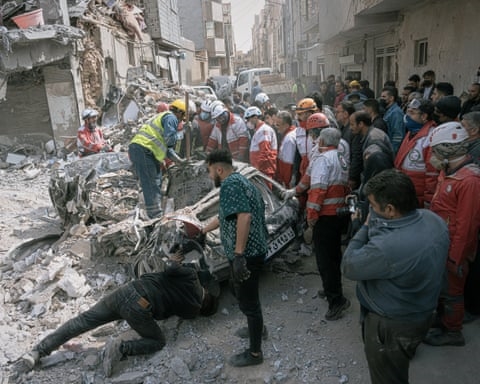
The human and regional cost of the war continues to mount. Lebanese authorities report over a thousand fatalities from ongoing airstrikes, with approximately one million people displaced within the country. The conflict has triggered severe economic disruptions across Asia, where governments are implementing fuel rationing and other emergency measures due to the collapse of energy shipments through the Gulf.
As diplomatic maneuvers continue behind the scenes, the situation on the ground remains volatile, with no clear path toward de-escalation yet visible.