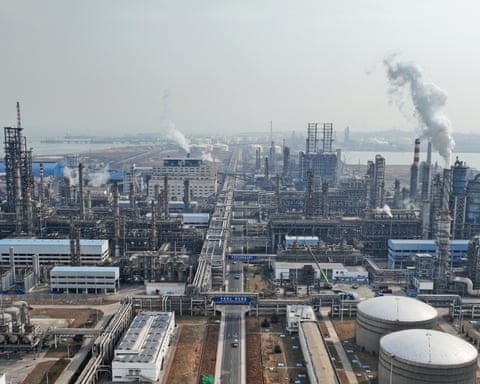
The global energy landscape is in flux, but in the industrial heartlands of Shandong province, the work of keeping the nation’s engines running continues. Here, a network of privately-owned oil refineries, colloquially known as “teapot” refineries for their smaller scale compared to state-run giants, forms a critical pillar of domestic fuel supply. However, soaring international crude prices are squeezing their operations, testing the resilience of this vital sector.
These facilities have historically thrived on procuring discounted crude from international markets, processing it into gasoline and diesel for regional consumption. They account for a significant portion of the country’s total refining capacity. Their business model, built on extremely tight margins, is now under severe pressure as the cost of their primary raw material skyrockets.
The price surge is linked to recent geopolitical tensions in the Middle East, which have disrupted global shipping lanes and tightened supply. While one major producer has continued exports, predominantly to one destination, the broader market panic has driven benchmark prices to historic highs. This has dramatically eroded the price advantage that these independent refiners depend on.
Industry analysts note that while state-owned energy corporations may avoid certain suppliers due to concerns over international financial restrictions, the independent “teapots,” focused solely on the domestic market, have fewer such constraints. This has allowed them to secure volumes, but at a significantly increased cost, slashing their profitability.
The strain is palpable on the ground. A worker at a major refinery in the region reported that client orders have diminished as fuel prices rise, directly impacting production volumes and, consequently, worker earnings. There are concerns within these plants about potential workforce reductions if the challenging conditions persist.
The central government has taken steps to cushion the impact on consumers, intervening to moderate retail fuel price increases. This provides some relief at the pump but does little to alleviate the cost pressures crushing the refiners themselves. The sustainability of many operations is now in question, with analysts warning that prolonged high crude prices could force some facilities to close.
Beyond the immediate crisis, the sector faces a longer-term structural challenge. As one local business owner pointed out, the shift toward electric vehicles represents a more profound, domestic threat to the traditional fuel supply chain than any international conflict.
For now, the refineries of Shandong continue to operate, a testament to their entrenched role in the national economy. But as they navigate the twin pressures of a volatile global market and a transforming automotive industry, their future, and that of the communities they support, hangs in the balance.