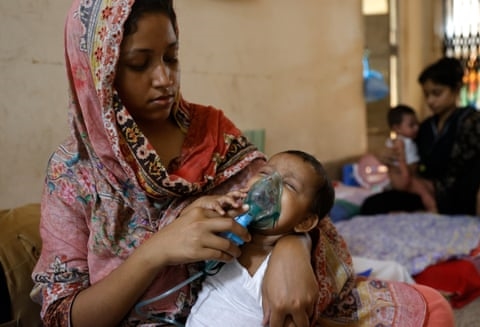
Health authorities in Bangladesh have initiated a nationwide emergency vaccination effort targeting young children, following a severe measles outbreak that has claimed the lives of over one hundred children in recent weeks.
The campaign, launched in partnership with international agencies, aims to immunize children between six months and five years of age, beginning in high-risk districts. Officials report more than 900 confirmed cases since the surge began in March, marking the country’s most serious outbreak in years.
Measles, a highly contagious viral illness characterized by fever and a distinctive rash, can lead to severe and sometimes fatal complications, particularly in infants and young children. Global health experts note a troubling resurgence of the disease in recent years, linked to declining vaccination rates in various regions.
In Bangladesh, health officials attribute the current crisis to disruptions in routine immunization programs. They cite logistical and procurement challenges over the past two years that created significant gaps in vaccine coverage, especially in vulnerable communities. Health experts emphasize that a vaccination rate of at least 95% is required to prevent community transmission.
A concerning aspect of the outbreak is the high number of infections among infants under nine months old, who are typically too young to receive the standard measles vaccine. This indicates a breakdown in the “herd immunity” that usually protects this vulnerable age group.
Parents are being urged to seek immediate medical care at hospitals for children showing symptoms such as high fever or rash, rather than consulting local pharmacies. The government has committed to expanding the emergency vaccination drive across the country in the coming weeks.
While Bangladesh has made historic strides in child immunization since the late 1970s, raising coverage from a minimal baseline to over 80%, persistent disparities in access have left immunity gaps in its population of 170 million. Health officials warn that even temporary interruptions in vaccination programs can allow deadly diseases like measles to regain a foothold, underscoring the critical need for sustained and equitable immunization efforts.