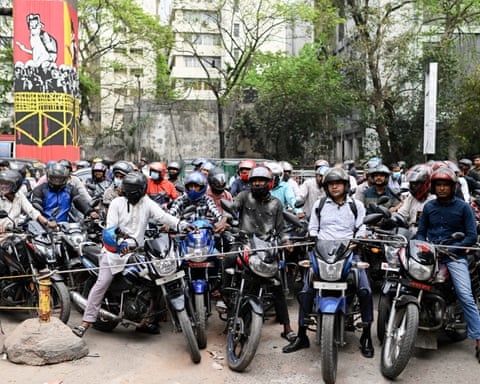
The ongoing conflict in the Middle East has effectively sealed one of the world’s most critical maritime passages, triggering a severe energy supply shock across Asia. Nations throughout the region are now implementing emergency measures, from fuel rationing to mandated work-from-home policies, in a desperate bid to manage shortages and soaring prices.
The Strait of Hormuz, a chokepoint for approximately one-fifth of global seaborne oil and gas, has been largely impassable for weeks following military actions. This closure has stranded regional exports and forced some producers to cut output, creating a supply vacuum that emergency stockpile releases have so far failed to fill.
“The immediate concern is the depletion of strategic reserves,” noted an energy economist. “A prolonged closure will exhaust these buffers, guaranteeing further price spikes and risking a broader economic crisis. The fundamental solution is restoring safe navigation.”
While major economies like China and Japan are tapping into substantial domestic stockpiles, many other Asian nations lack such a cushion. The crisis is exposing stark vulnerabilities and prompting drastic governmental action.
In South Korea, authorities have imposed a cap on domestic fuel prices for the first time in nearly thirty years.
Thailand is spending millions daily to subsidize consumer fuel costs, while Bangladesh has deployed military personnel to secure oil depots and begun rationing sales.
Pakistan has announced austerity measures including reduced government office hours and school closures. “Stabilizing the economy requires difficult decisions,” the country’s leader stated.
Several governments, including those of the Philippines and Vietnam, have instituted four-day work weeks and broad remote-work directives to slash transportation fuel demand, echoing pandemic-era protocols. Vietnam has also suspended import tariffs on fuel.
The situation on the ground remains tense. Drivers from Pakistan to Vietnam report empty depots, long queues at stations, and rapidly escalating costs. Despite assurances from involved parties that the conflict may be brief, the reality for millions of consumers and businesses is one of profound uncertainty. With no clear timeline for the reopening of vital shipping lanes, Asia’s economies are bracing for a prolonged period of disruption, the effects of which are likely to ripple across the global economy.