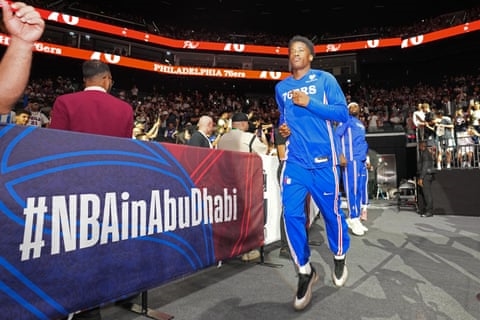
Amid ongoing reports of mass atrocities in Sudan, the National Basketball Association is significantly expanding its commercial relationship with the United Arab Emirates. Critics argue this partnership illustrates how major sports organizations can lend legitimacy to governments accused of severe human rights abuses.
The connection centers on the UAE’s alleged support for the Rapid Support Forces (RSF), a paramilitary group engaged in Sudan’s civil war. Multiple reports from international bodies and researchers accuse the RSF of carrying out executions, sexual violence, and ethnic cleansing. Evidence suggests the UAE has provided funding and weapons to the group, allegations the Gulf state denies.
Against this backdrop, the NBA’s activities in the UAE have intensified. The league’s in-season tournament now carries the name of Emirates, the UAE’s flagship airline. The partnership also includes preseason games held in Abu Dhabi and plans for a training academy at a local university campus. Further collaboration is reportedly under discussion, including potential UAE investment in a new European league.
For the UAE, such high-profile sports deals are a cornerstone of its international strategy. Investments in football clubs like Manchester City, along with hosting events for Formula 1, cricket, and golf, have helped project an image of modernity and openness. This extensive portfolio often overshadows the nation’s domestic record, where political dissent is suppressed and migrant workers, who form the majority of the workforce, face well-documented exploitation.
The NBA, for its part, states that its international engagements are guided by U.S. foreign policy. A league spokesperson emphasized basketball’s long history in the Middle East and framed its UAE activities as part of global outreach to fans and aspiring players.
The silence from most of the sports world regarding the UAE’s role in Sudan has been notable. A rare exception came from the NGO Refugees International, which publicly called out the NBA, suggesting its tournament was being used to “sportswash” atrocities. Similarly, a small group of Manchester City fans have voiced discomfort with their club’s ownership ties to the conflict.
Resistance to questioning these partnerships was demonstrated recently at German football club Bayern Munich. When a shareholder activist raised ethical concerns over the club’s new sponsorship deal with Emirates airlines, he was openly mocked by the club’s leadership. This reaction underscores the challenge of severing lucrative financial ties, even for organizations that have cut sponsorships with other controversial states in the past.
The ongoing situation presents a stark contrast. As one of the world’s worst humanitarian crises unfolds in Sudan, the business of global sport continues unabated with a state accused of fueling the violence. The dynamic raises persistent questions about where the line should be drawn for sports leagues that operate as global brands, and what responsibility they bear when their commercial partners are implicated in conflicts abroad.