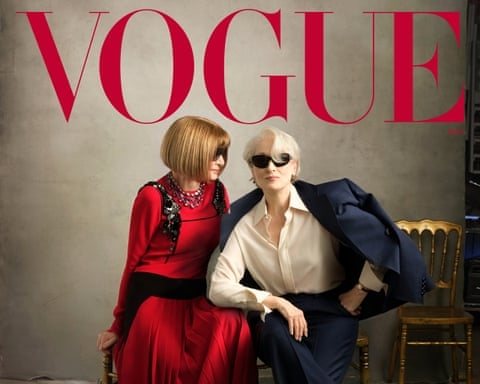
In a striking departure from tradition, the editor behind one of fashion’s most influential publications has become its cover story. The May issue of Vogue features Anna Wintour alongside actress Meryl Streep, a move timed to the release of a highly anticipated film sequel. Yet, the imagery represents far more than promotional synergy; it is a calculated statement of enduring authority.
Typically, a mock cover is a farewell gift in publishing circles. Here, Wintour receives the genuine article, placing herself at the forefront of the very magazine she has guided for decades. While editors have occasionally appeared in trade publications, this marks an unprecedented moment for a sitting editorial leader to claim the spotlight on their own flagship’s cover.
The concept plays on the well-known inspiration behind Streep’s iconic film character, blending fiction with reality. Both women are photographed in Prada, underscoring the thematic connection. Upon its release on social media, the image generated immediate and widespread reaction, celebrated by industry figures and the public alike.
The cover arrives less than a year after Wintour transitioned from her long-held role as Vogue’s editor-in-chief to a broader corporate position. This visual statement appears designed to quell any speculation about a diminished role, forcefully asserting that her influence remains paramount. Industry observers note the cover is a masterful act of personal branding, signaling that Wintour herself is the source of power, not merely the title she holds.
Reports on the cover’s conception further illustrate this dynamic. The idea was initially presented to Wintour by a senior editor and, after some reluctance, was reportedly encouraged by Streep herself. The narrative of its approval process subtly reinforces where final authority continues to reside.
Historically distant from the film that playfully fictionalized her world, Wintour has recently embraced a more engaged and publicly playful persona. Behind-the-scenes content from the shoot shows her in a relaxed and humorous light, a deliberate contrast to the austere caricature. This shift suggests a strategic effort to shape her own legacy, using iconic imagery to define her narrative.
Analysts interpret these moves as part of a larger transition, where the individual is being consciously elevated alongside the institution. It reflects an understanding of modern media, where viral moments and personal brand-building can reshape public perception. The cover, therefore, is less a farewell and more a declaration: a reaffirmation of a unique presence that continues to command the conversation, proving that some figures remain irreplaceable.