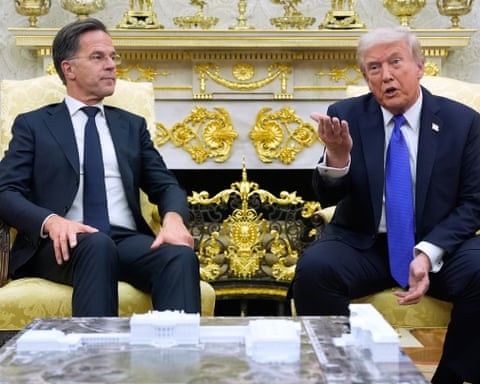
The transatlantic alliance is facing renewed public pressure from its most powerful member, with the U.S. President launching fresh criticism of NATO’s responsiveness. In a social media post, the President characterized the alliance as “very disappointing,” asserting that its members only “understood anything” when significant pressure was applied.
This criticism coincides with diplomatic reports indicating the U.S. administration is seeking rapid, concrete commitments from European allies for a potential mission to secure a critical global maritime chokepoint, a strategic waterway vital for international energy supplies. The NATO Secretary General is expected to address these issues in a scheduled speech in Washington.
In response to the escalating rhetoric, a leading European chancellor moved to calm tensions. He emphasized a desire to avoid any fracture within the alliance, which he called a fundamental guarantor of European security. While acknowledging the U.S. leader’s frustrations, he stressed the importance of unity and suggested detailed discussions on the alliance’s future should be held at an upcoming summit. He confirmed his country’s principled willingness to discuss contributing to maritime security efforts, but noted such decisions require thorough parliamentary and international deliberation, ruling out immediate action.
The political turbulence within NATO unfolds alongside a pivotal election in a central European member state. New polling suggests the ruling party, known for its frequent clashes with EU institutions, is trailing a center-right opposition party ahead of a national vote this weekend. Despite years of official rhetoric often critical of the European Union, a separate survey reveals overwhelming public support within the country for continued EU membership, with a majority of voters—including a significant portion of the ruling party’s base—desiring a more cooperative relationship with Brussels.
Further straining intra-European trust, a leaked audio recording has prompted serious allegations from EU officials. The recording, which appears to capture a conversation between a member state’s foreign minister and his Russian counterpart, has led to accusations of possible coordination with Moscow against EU interests. A senior EU spokesperson labeled the revelations “extremely concerning” and demanded an urgent explanation, stating the issue would be raised at the highest levels. In reaction, a major western European power accused the member state of a “betrayal of solidarity.”
The cumulative effect of these events has drawn sharp commentary from European leaders. A central European head of state, a former senior NATO military official, warned that recent questioning of the alliance’s fundamental purpose from within has done more damage to NATO’s credibility than external threats have managed in years. He argued that the criticism was misplaced, as NATO is a defensive pact, and pointed out that European allies were not consulted on the initial strategy for the recent conflict now driving the tensions.