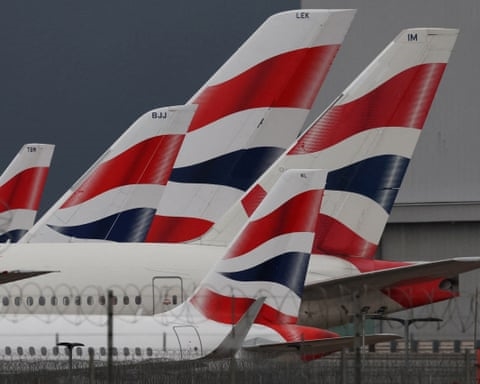
Major European airlines are warning passengers to brace for higher ticket prices, citing a sharp and sustained increase in jet fuel costs driven by the ongoing conflict in the Middle East. Industry leaders indicate that while they have absorbed some initial shocks, these additional expenses will inevitably be passed on to travelers.
Carriers acknowledge using financial hedges to mitigate price volatility, but executives stress such measures are temporary. With oil and kerosene prices experiencing significant spikes, the pressure to adjust fares is mounting. Passengers are being advised to secure bookings early to lock in current rates.
The disruption has also prompted strategic route changes. Several long-haul airlines are expanding flight schedules through Asian hubs to circumvent airspace closures and reduced operations in the Gulf region. This shift is reportedly allowing them to recapture market share on key routes to Asia and Africa, citing robust demand.
Despite the turbulence, some budget carriers within Europe have downplayed immediate operational impacts, stating current fuel supplies remain secure. However, they concur that a prolonged period of elevated prices would pose a serious challenge across the sector.
Simultaneously, airline representatives are appealing to European Union policymakers for regulatory relief. They argue that high environmental taxes and ambitious mandates for sustainable aviation fuel (SAF) place EU carriers at a competitive disadvantage, especially during a crisis. Industry calls to delay certain green fuel requirements have, however, met with resistance from officials, who emphasize the sector’s own role in investing in future fuels.
The collective message from the industry is clear: the geopolitical situation is reshaping network strategies and adding substantial cost pressures, with consumers ultimately facing the bill.