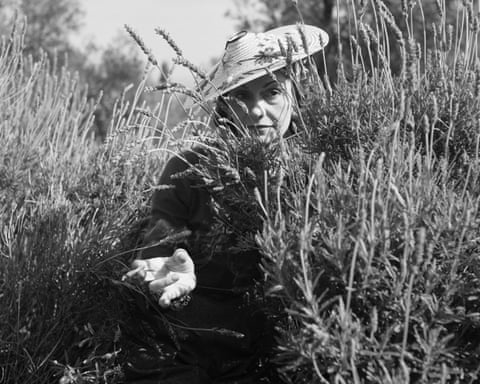
A restored villa on the French Riviera offers more than a glimpse into a legendary social scene; it provides a key to understanding the intellectual world of its most famous owner. La Pausa, the sun-drenched property once owned by fashion icon Coco Chanel, has reopened its doors following a meticulous restoration. While the architecture and gardens have been returned to their former glory, the project’s most compelling addition is a newly curated library, designed to echo the minds of the extraordinary figures who once gathered there.
The villa’s history reads like a guest list for twentieth-century brilliance. Within its white walls, artists, writers, and statesmen found inspiration. It was here that Salvador Dalí conceived one of his most enigmatic pre-war paintings. Winston Churchill drafted portions of his historical works and captured the landscape on canvas. The home played host to lengthy, spirited gatherings attended by figures from Igor Stravinsky and Jean Cocteau to Greta Garbo and Somerset Maugham.
Originally built for a literary couple, the property was purchased and completely rebuilt by Chanel in the late 1920s. Following her ownership, it passed through other hands before being reacquired by the fashion house bearing her name nearly a decade ago. The recent restoration painstakingly recreated architectural details, from the distinctive black-framed windows to the patterned concrete squares in the garden.
Yet the central question for the restorers was how to truly capture the spirit of such a storied place. Their answer was to build a living archive in the form of a library. Shelves now hold a collection that begins with volumes Chanel herself was known to cherish and expands to include works by and about her illustrious circle. First editions by F. Scott Fitzgerald and Ernest Hemingway share space with biographies of Picasso, rare editions of Cecil Beaton, and the personal letters of Jean Cocteau.
The collection deliberately bridges past and present. Alongside these historical texts are contemporary works by authors such as Hilary Mantel and Zadie Smith, with the intention that future guests will continue to contribute, allowing the library to evolve. This creates a dynamic portrait of intersecting creative worlds, with Chanel at its center—not merely as a hostess, but as a cultivator of culture.
For Chanel, books were far more than decoration; they were instruments of transformation and survival. Orphaned young and raised in an austere convent, she had little access to formal education or wealth. She famously recounted sewing together newspaper serials to create her own reading material, copying out passages from novels that taught her about life and possibility. Literature became a refuge and a catalyst, fueling the imagination required to build a global empire in an era when women had limited societal power. “Books have been my best friends,” she once said.
In this light, the library at La Pausa becomes the intellectual and emotional core of the restoration. It stands as a testament to the idea that a personal collection of books is one of the most revealing portraits of a life. It maps curiosities, secret passions, and the company one keeps, both real and imagined. The shelves at La Pausa now invite visitors to trace the connections between geniuses of a past era while contemplating the enduring power of the written word to shape a destiny.