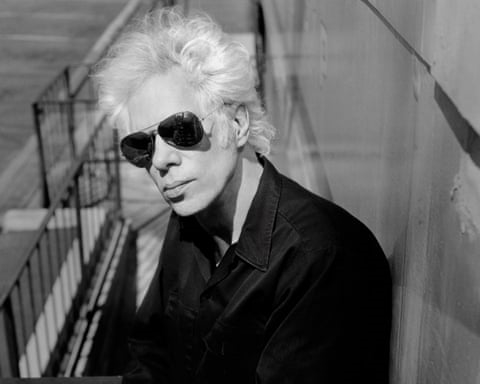
For decades, Jim Jarmusch has carved a unique path in American cinema, defined by a steadfast commitment to his own vision. As his latest project, the anthology drama Father Mother Sister Brother, arrives in theaters, the director reflects on the personal and philosophical currents that shape his work, from navigating loss to resisting commercial pressures.
The film, which recently claimed the top prize at the Venice Film Festival, continues Jarmusch’s signature style. It unfolds in three distinct segments set in New Jersey, Dublin, and Paris, exploring familial dynamics with a quiet, observational eye. While the characters do not intersect, thematic threads—like the recurring appearance of skateboarders and an oddly persistent British phrase—weave the stories together.
In one narrative, a father, portrayed by musician Tom Waits, confronts his adult children about financial anxieties. Another segment observes the strained annual visit between a celebrated author and her two vastly different daughters. The final piece follows twins reuniting in Paris after a shared tragedy. The ensemble features frequent collaborators like Adam Driver and Cate Blanchett, alongside new faces.
Jarmusch describes his creative process as an organic accumulation of ideas, often sparked by imagining specific actors in roles. “I was just thinking how interesting it would be if Tom Waits played Adam Driver’s father,” he says. The script, he notes, was written rapidly once the concept crystallized. “I don’t labour over scripts; I cast first then write fast.”
This method is part of a broader philosophy. The director openly distances himself from industrial filmmaking norms. “I’m not a commercial director. I’m not even a professional film-maker,” he states, acknowledging the increasing difficulty of securing funding for his idiosyncratic projects. He expresses a clear aversion to compromise, walking away from potential backers who seek creative input. “The process is delicate and difficult,” he admits.
The conversation turns to themes of mortality, which permeate the new film. Jarmusch approaches the subject with a contemplative, almost spiritual perspective. “I try to think of it in an almost Buddhist or eastern way. Things are cyclical,” he reflects. He emphasizes living in the present, a practice supported by daily rituals like swimming and meditation. “The planet is being destroyed and everything is so fragile that I somehow want to appreciate my life.”
When asked about future plans, he cites advice from musician Neil Young: “The best plan, man, is no plan.” Beyond his upcoming shoot in Paris, details of which he keeps close, Jarmusch’s focus remains on the art form itself. A self-described cinephile, he aims to watch a film daily. “They’re like dreams to me,” he says of silent movies. “I can’t imagine a more beautiful thing to get to do. And then I fight to get to make my own films. I’m lucky, but I’m stubborn as hell as well.”
Father Mother Sister Brother represents another chapter in that ongoing fight—a testament to a career built on humanistic observation, deadpan humor, and an unwavering independent spirit.