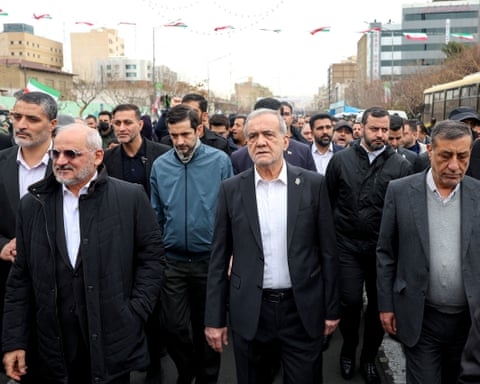
In a nation where public discourse is tightly controlled, the intimate reflections of a man close to power offer a rare window into the soul of a country under fire. Yousef Pezeshkian, the son of the nation’s president, has turned to social media not for official pronouncements, but to document the daily anxieties, sorrows, and quiet debates that resonate with countless citizens.
His posts, shared widely, contain no classified information. He states he has none, learning of events like most people: through television and online channels. Yet, his unique position as both a fervent supporter of the government and a private individual grants his words a profound weight. They chart a journey from steadfast resolve to personal despair, mirroring the emotional landscape of a populace enduring conflict.
The entries are often achingly mundane, juxtaposing the horrors of war with the longing for normalcy. He describes the sound of missiles interrupting a pleasant spring afternoon in Tehran, wishing he could simply take his family for a walk. He shares a friend’s chilling account of a prophetic dream about a missile strike, a story that ends with nervous laughter—a fragile defense against overwhelming fear.
Beyond personal vignettes, the diary engages with the strategic questions simmering within the country. He openly debates the war’s objectives and duration, questioning how long the fight can be sustained and what constitutes an acceptable end. “What is seriously disputed,” he writes, “is how long we should fight?” He calls for a clear-eyed assessment of military capacities and the enemy’s preparedness, framing the conflict as a test of endurance.
While unwavering in his belief in the nation’s cause—dismissing foreign narratives as lies and asserting that historical mistakes do not justify the current assault—his criticism turns inward at times. He expresses frustration over domestic internet blackouts, censored news, and defends his father’s controversial apology to neighboring Gulf states, calling it an “ethical duty” born of a bitter necessity. “How bitter it is,” he notes, “that to defend ourselves we have to strike bases in our friendly countries.”
The diary’s most powerful moments, however, are its most vulnerable. In a poignant entry, he recounts visiting his grandmother, who had been shielded from the full truth of the war’s early losses. Putting on a brave face, he assured her that everything was normal. It was only after leaving her home that his composure shattered. “After 19 days of war, today I finally cried,” he confesses. The entry’s title, echoed from his grandmother’s doorstep, serves as a stark, personal verdict on the state of the nation: “Nothing is normal.”
Through these daily posts, a portrait emerges not of a policymaker, but of a patriot grappling with the human cost. He argues that national unity and morale are the ultimate weapons, insisting the country’s spirit is not broken. Yet, his own tears and trembling hands tell a more complex story—one where duty, fear, and love for family and country are inextricably, and painfully, intertwined.