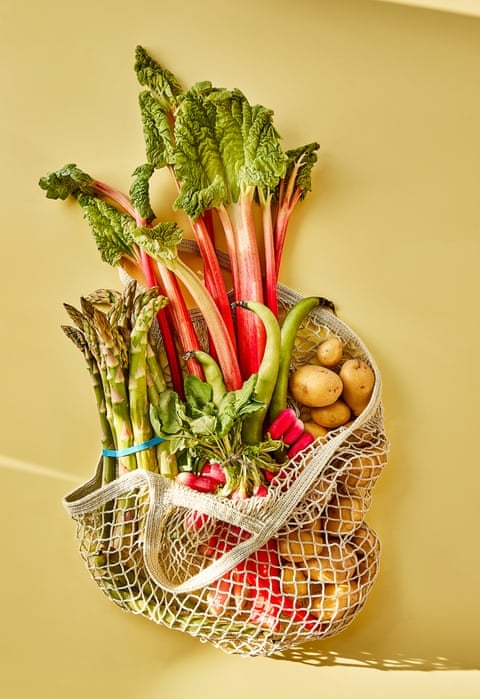
As the days lengthen and the soil warms, the garden offers its earliest and most delicate flavors. This is the season for crisp textures, vibrant greens, and the uniquely fresh tastes that only appear for a short window. Here’s how to make the most of the spring plot, from sowing to savoring.
The Early Bloomers
For a fragrant project, seek out elderflower on bright, warm days when its perfume is strongest. The blossoms are perfect for homemade cordials. For an elegant twist, a brief infusion of the flower heads in gin creates a spirit that pairs beautifully with a simple tonic.
While forced pink stems have their place, nothing compares to the robust, tart stalks of outdoor rhubarb in spring. A particularly prized variety thrives in a specific region of northern England, benefiting from unique local conditions. For a simple raw treat, try dipping the freshly cut end into the syrup from preserved ginger.
The Soil’s First Offerings
True asparagus aficionados know that speed from ground to plate is essential. Whether lightly steamed or roasted until caramelized, its singular, nutty sweetness is best enjoyed within hours of harvest.
Celebrate the humble radish in its simplest form: served whole with high-quality butter and a sprinkle of flaky sea salt. The peppery leaves are also edible and delicious. If the roots are mild, a touch of white pepper mixed into the salt can enhance their flavor.
Spring also brings the first new potatoes—small, firm, and full of flavor. A celebrated variety is cultivated on steep, sun-drenched coastal fields fertilized with seaweed, giving them their distinctive, earthy taste.
Greens and Pods
For a salad green that whispers of spring rather than shouts, seek out pea shoots. These tender tips offer a sweet, concentrated pea flavor without any bitterness. They need little more than a drizzle of olive oil and a pinch of salt.
Few things taste more of the season than the youngest broad beans, so tender they can be eaten raw straight from their fuzzy pods. A classic preparation pairs them with a sharp, salty cheese, a gloss of olive oil, and just a hint of lemon juice.
Key Tasks for the Spring Garden
Now is the time for action. Start tomato and chilli seeds indoors by mid-March. Courgettes, cucumbers, and basil can be started in modules shortly after. Directly into prepared soil, sow peas, carrots, beetroot, and a variety of salad leaves.
Early potato varieties should go into the ground in March, with main crops following in April. The first rhubarb stems are ready for harvest with a firm, twisting pull. Once flowering has finished, prune stone fruit trees like plums and cherries. Don’t forget to earth up your potatoes as they grow and cut back perennial herbs like chives to encourage a fresh flush of growth.
This is a season of renewal and rapid growth in the garden, offering fleeting flavors that form the essence of spring on a plate.