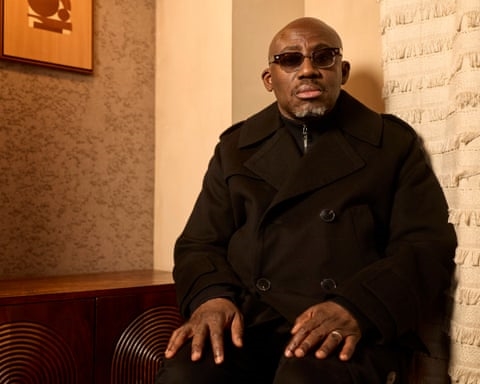
A chance encounter on the London Underground in the late 1980s set a young Ghanaian newcomer on an extraordinary path. From that moment, he was propelled into the heart of the capital’s vibrant creative scene, becoming a defining figure in fashion and media. Now, he looks back on a transformative era and forward to a new chapter of creative independence.
He recalls a London of boundless energy and cross-disciplinary collaboration, a stark contrast to the climate he perceives today. “There’s a sense that we’ve become less tolerant,” he observes, pointing to a broader cultural shift away from the optimism of that period. In the face of rising division, his philosophy has remained constant: a celebration of diversity is not just a moral imperative but a creative and commercial necessity.
This belief defined his landmark tenure at a major fashion publication, where he championed a radically inclusive vision of Britain. Covers featured a breadth of individuals rarely seen in such spaces, proving that representation resonates powerfully with audiences. “To ignore vast segments of society isn’t just exclusionary,” he notes. “It’s simply bad business.”
His journey from a shy immigrant child who was told he would “never amount to anything” to a history-making editor instilled in him a permanent sense of duality—of being both an insider and an outsider. This perspective fuels his current role as a “disruptor.” Having stepped away from the corporate publishing world, he has launched his own creative venture, a bold enterprise that operates on a collaborative model, deliberately eschewing traditional advertising.
This disruptive spirit now extends into the art world. He is curating a major museum exhibition focused on the 1990s, aiming to capture that decade’s unique creative ferment and highlight voices that were overshadowed at the time. “Institutions didn’t always spotlight the right artists because they didn’t have the expected pedigree,” he says.
His new magazine’s latest issue spotlights contemporary art prizes, and he is an advocate for innovative funding models in the cultural sector. “We have to think outside the box,” he insists, arguing for partnerships that can support vital public institutions. He recently helped organise a major fundraising event for a national museum, raising millions.
Despite reaching the pinnacle of the fashion industry, his career has been marked by profound personal challenges, including a serious health crisis that threatened his eyesight. “I lived in fear 24/7,” he says of that period. The experience was a catalyst, reinforcing a determination to live without limits. “I thought, if this ever passes, I won’t restrict myself.”
Now leading his own company with teams in London and New York, he relishes the freedom to build a broader creative ecosystem encompassing publishing, events, and potential film projects. He reflects on his path with a mix of wonder and resolve. The rebellious young man of the 1990s, he believes, would be “in shock, but proud.”
“Nothing can stop me once I’ve made up my mind,” he states. “We lost our home, I nearly lost my vision. So fear isn’t an option. People have underestimated me my whole career.” His story stands as a testament to resilience, the transformative power of inclusive vision, and the unwavering pursuit of one’s own creative truth.