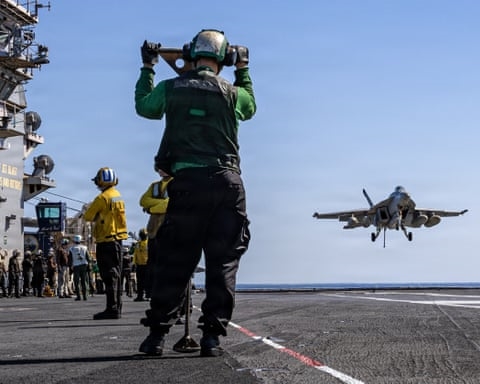
The world watches as tensions in the Middle East reach a new precipice. Recent military actions appear designed to provoke a cycle of retaliation that risks spiraling into a broader, more devastating conflict. The architects of this escalation seem trapped by their own rhetoric, having assembled formidable forces yet now appealing for international backing to justify a path they chose alone. The only viable off-ramp is for those who initiated the hostilities to find the courage to halt them.
In this volatile climate, the United Kingdom faces a critical choice. Its national security is not under direct threat from the current crisis. History has repeatedly demonstrated that military intervention, particularly aerial bombardment, is a blunt and ineffective tool against complex geopolitical challenges and does not address the root causes of international terrorism. The nation’s recent record of attempting to judge and reshape foreign governments stands as a cautionary tale of overreach and unintended consequences.
Despite this, there are concerning signs that Britain is being drawn into a supporting role. The deployment of military planners and the provision of bases, even under the banner of defense, represents a familiar and perilous slide into deeper involvement. This pattern of incremental commitment has ensnared British governments in prolonged conflicts before, with tragic costs in lives and strategic autonomy. The current leadership must rigorously resist the siren call of a “special relationship” that demands silent complicity in questionable actions. When allies commit clear errors, diplomatic clarity and independence, not nervous equivocation, are required.
The underlying justifications for conflict have become mired in a self-serving lexicon of security. Vague and often disproven claims of “imminent threats” are used to legitimize disproportionate responses. This rhetoric benefits only the machinery of war and populist narratives, not the cause of lasting peace or the innocent civilians who bear the brunt of the violence.
Britain’s foreign policy has long been shadowed by a post-imperial reluctance to fully retreat to the role of a nation focused on its own domestic affairs and principled, independent diplomacy. This lingering instinct, the temptation to “punch above its weight,” has repeatedly led to strategic misadventures. The lesson from past fiascos is that the nation’s interests are best served by clear-eyed restraint and a refusal to be seduced into wars that are not its own.
For now, the urgent priority is clear. The bombing must stop. The path of escalation offers no winners, only greater catastrophe. Britain’s duty is to advocate unequivocally for de-escalation and diplomacy, and to ensure it is not again dragged into a conflict where it has no vital stake.