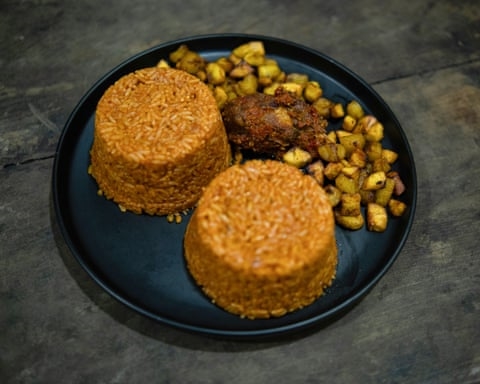
A signature dish that once defined daily meals and festive gatherings across Nigeria is now retreating from regular tables, becoming a treat reserved for special occasions. The rising cost of essential ingredients has transformed jollof rice from a common staple into a luxury many families can no longer afford.
In Lagos, the festive atmosphere of the holiday season contrasts sharply with the calculations happening in many kitchens. For numerous households, the decision to prepare this iconic meal is now a significant financial consideration, not a casual choice.
The core ingredients—tomato puree, peppers, onions, and specific seasonings—have seen sustained price increases. According to economic analysts, the cost of preparing a single pot for a family of five has risen sharply over the past year. While official inflation rates show some easing, the reality for consumers is that food prices remain historically high, severely straining household budgets.
This economic pressure is forcing adaptations. Some cooks are omitting key components like margarine or premium proteins. Others are creating simpler, faster versions of the dish, using more affordable substitutes like smoked fish. These modified recipes, while filling, often lack the deep, smoky flavor and rich color that characterize traditional jollof.
The shift has cultural and social ramifications. The dish is deeply woven into the fabric of Nigerian life, associated with hospitality, family unity, and celebration. When preparing it “the right way” becomes a financial burden, it alters daily rituals and communal traditions. Shared meals risk becoming more transactional, focused on sustenance over experience.
The phenomenon is not confined to Nigeria. Neighboring Ghana, which shares a passionate culinary rivalry over the dish, faces similar affordability challenges for its version of jollof. The debate over which nation makes the best version continues, but it is overshadowed by a common reality: for many, enjoying this cultural touchstone is becoming a rare privilege.
The situation underscores a broader cost-of-living crisis where even fundamental elements of cultural identity are being reshaped by economic pressures. As one analyst noted, when a dish central to shared memory and social bonding becomes a luxury, it reflects a strain that extends far beyond the kitchen.