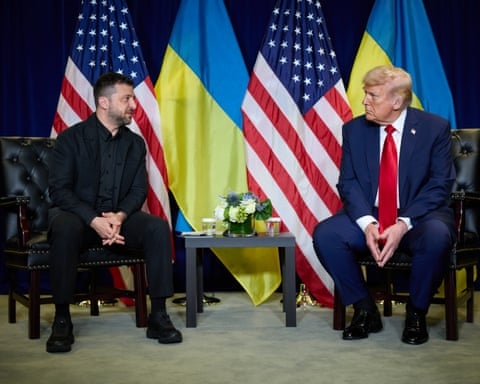
The White House has expressed significant frustration with the pace of diplomatic efforts to end the war in Ukraine. In a briefing, Press Secretary Karoline Leavitt stated that the administration is “sick of meetings just for the sake of meetings” and is “extremely frustrated with both sides” of the conflict. She indicated that U.S. participation in upcoming talks with European and Ukrainian officials this weekend is contingent on the meeting being deemed a worthwhile use of time, noting the president’s desire for a resolution after extensive diplomatic engagement.
This statement comes amid sustained pressure on Ukrainian leadership to agree to an American-backed peace framework. Ukrainian officials have submitted a revised proposal to Washington, with key disagreements reportedly centering on territorial control and the status of a major nuclear facility. While the U.S. has acknowledged receipt of the new plan, details of its response remain unclear. Earlier proposals reportedly involved a withdrawal of Ukrainian forces from contested eastern regions, with discussions of establishing a special economic zone, rather than an immediate transfer of control to Russian forces.
Domestically, the administration faced several political and legislative challenges. In a notable rebuke, Indiana’s Republican-controlled legislature rejected a proposed congressional redistricting map that would have heavily favored their party. The failed vote saw a coalition of Republicans and Democrats oppose the measure.
Meanwhile, the Senate failed to pass legislation to extend critical health insurance subsidies, a move expected to trigger significant cost increases for millions of Americans covered under existing healthcare plans. The administration’s foreign policy also drew criticism from members of both parties following the seizure of a foreign oil tanker, with some lawmakers warning the action risks escalating tensions toward military conflict.
In other developments, new visa screening protocols requiring extensive access to applicants’ social media and communication histories were announced, drawing immediate condemnation from civil liberties organizations who labeled the policy as censorship. A federal judge also ordered the release of a long-term immigrant detainee, dealing a setback to related enforcement efforts.
Additional reports indicate a growing measles outbreak in one state linked to holiday travel and lagging vaccination rates, and concerns have been raised by former military leaders about increasing political polarization within the ranks of the armed forces. The administration also formalized plans for a heightened military presence on federal lands along the southern border.