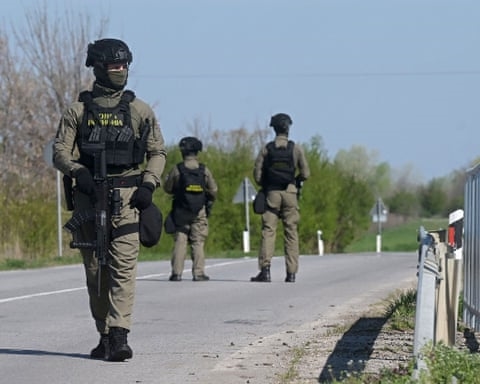
A recent discovery of explosives near a key gas pipeline in Serbia has sparked debate over the incident’s true intent, with some analysts suggesting it may be a staged provocation rather than a genuine sabotage attempt.
Serbian authorities reported finding approximately four kilograms of plastic explosive material in backpacks close to the Balkan Stream pipeline, which transports Russian natural gas through the region to Hungary. However, independent technical assessments indicate that the quantity recovered would have been insufficient to cause major, long-term damage to the infrastructure. Experts note that such a limited charge would likely have resulted only in localized, repairable harm, not the prolonged shutdown typical of a serious sabotage operation.
This has led to speculation that the placement of the explosives may have been intended as a political signal rather than an actual attack on energy supplies. The timing is notable, occurring just before a closely contested national election in Hungary—a country that maintains notably friendly relations with Russia and has frequently opposed European Union sanctions. Some observers argue the incident could be designed to influence public opinion by creating a narrative of external threat.
Hungarian officials initially hinted at possible Ukrainian involvement, a claim swiftly denied by Kyiv. Meanwhile, opposition figures within Hungary have accused the government of exploiting security fears for electoral gain, alleging coordination with external actors to stage provocative events.
The pipeline in question remains a strategically important energy link for several Central European nations. While the investigation by Serbian security services is ongoing, the unusual circumstances surrounding the find continue to fuel discussions about hybrid tactics and information operations in the region’s complex geopolitical landscape.