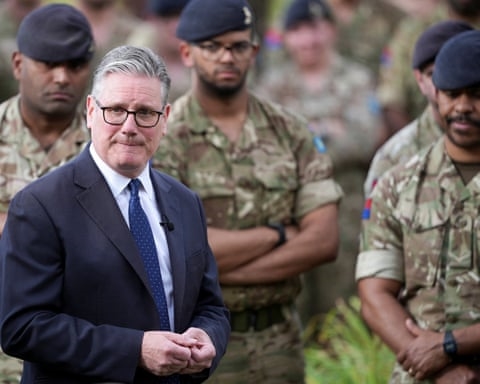
The Prime Minister has expressed strong dissatisfaction with the impact of international conflicts on household and business energy costs in the United Kingdom. In a televised interview, he stated he was “fed up” with British families and companies facing unpredictable bills due to geopolitical actions abroad.
While not naming specific foreign leaders directly in his public remarks, the comments were widely interpreted as a critique of recent policies and military engagements that have disrupted global energy supplies and trade routes. The Prime Minister emphasized that citizens should not be “at the mercy of events abroad.”
A central focus of the government’s current foreign policy is securing vital international shipping lanes. Following recent regional de-escalation, the UK is actively working with international partners to develop a concrete, operational plan to restore the safe and free flow of maritime commerce through a key global chokepoint for oil transport.
The Prime Minister also addressed ongoing military actions in the Middle East, stating clearly that continued strikes against one nation, conducted by another, are “wrong.” He argued the issue transcends technical debates over ceasefire agreements, framing it as a fundamental point of principle.
This stance comes amid a period of notable diplomatic friction with some traditional allies. The British government has faced public criticism and personal mockery from certain foreign figures over its strategic decisions. In response, UK officials have asserted that the country’s contributions and resolve should be judged by its concrete actions and commitments on the world stage, rather than by commentary on social media.
The Prime Minister has pledged a break from what he describes as the past practice of merely managing international crises. He has promised a more proactive and resilient long-term strategy, asserting that the nation’s response to current global instability will define its future for decades to come.