Attempting to compile a definitive list of the greatest superhero films is an exercise in futility. The genre has evolved far beyond its spandex-clad origins, splintering into so many distinct forms that comparing them feels like judging a symphony against a sonnet. Is the pinnacle of the form the most artistically accomplished, the most culturally seismic, or the one that leaves the most profound emotional scar?
Consider the sheer diversity on offer. The landscape now encompasses gritty urban crime sagas, witty family adventures, sharp political allegories, and psychedelic pop-art experiments. Some films function as pure, Wagnerian spectacle, while others are intimate character studies disguised as action flicks. With criteria this fluid and personal attachments so deeply felt, any hierarchy is inherently subjective.
The debate often circles a few key questions. Should the top spot go to the film that most perfectly embodies the genre’s wish-fulfillment fantasy for its core fans? That argument might point to a recent, nostalgia-driven crossover event. Or does it belong to the transcendent work that commands respect from audiences typically indifferent to heroes in capes? Here, a certain brooding, philosophically rich crime epic from 2008 makes an undeniable claim.
Historical influence cannot be ignored. A landmark film from the late 1970s didn’t just make audiences believe a man could fly; it convinced an entire industry that superheroes could be a permanent, profitable pillar of cinema. Similarly, a 2008 origin story starring a billionaire in a metal suit didn’t just launch a franchise; it fundamentally rewrote the blueprint for the modern blockbuster, embedding shared-universe storytelling into Hollywood’s DNA.
Then there are the films that trade power fantasy for pathos. While the genre excels at catharsis, few achieve genuine, haunting emotional devastation. One standout is a bleak, neo-western tale that interrogates the cost of immortality and the agony of a legend facing obsolescence. It finds profound power not in invincibility, but in profound vulnerability.
We must also contend with the modern phenomenon of the “event” film, where the collective cultural experience in the theater becomes inseparable from the work itself. The opening weekend for a 2019 ensemble finale was less a screening and more a secular pilgrimage, a roaring, tearful communal ritual. A clinical analysis might critique its reliance on prior homework, but can any assessment of the genre’s impact dismiss the film that turned anticipation into a generation-defining spectacle?
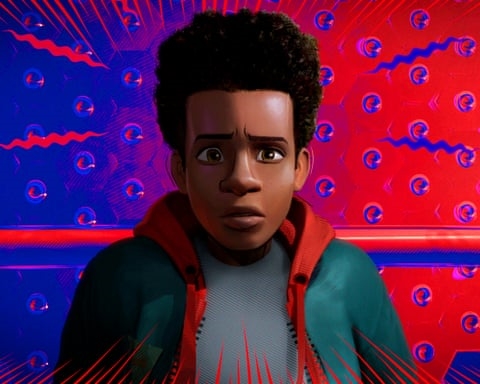
Other works defy categorization altogether. One Oscar-winning animated film from 2018 was less a movie and more a cinematic lightning strike, a riot of style that made static comic book panels feel explosively, joyously alive. It was a stunning reminder of the medium’s pure, unbridled potential.
Finally, cultural impact reshapes the conversation entirely. A 2018 film set in a fictional African nation was a watershed moment, a myth that forcefully expanded the boundaries of who mainstream fantasy is for and about. It challenged a long-held assumption about the genre’s central icons, sparking essential global dialogues about representation, heritage, and the very location of our cultural imagination.
This leaves no room for celebrated cult classics that deserved far more than they got—the sleek, brutal dystopian thrillers or the baroque fairy tales brimming with creature-design genius. The field is simply too rich, too varied, and too personal.
Any list is therefore a snapshot of a moment, a personal calculus weighing art against impact, innovation against emotion. The only definitive conclusion is that the superhero genre has become the canvas for an astonishing range of modern storytelling, making the search for a single “best” not just difficult, but beautifully pointless.