A severe energy crisis is escalating, with European airports now warning they could face systemic jet fuel shortages within weeks. The disruption stems from the continued closure of a critical Middle Eastern shipping lane, threatening to derail the summer travel season if not resolved promptly.
The stark warning was delivered to European Union officials, indicating that the bloc has approximately a three-week buffer before fuel reserves for air travel are critically depleted. This situation arises from a major blockage of maritime oil shipments, which has sent global fuel prices skyrocketing. Industry analysts report that the price of jet fuel has more than doubled compared to this time last year.
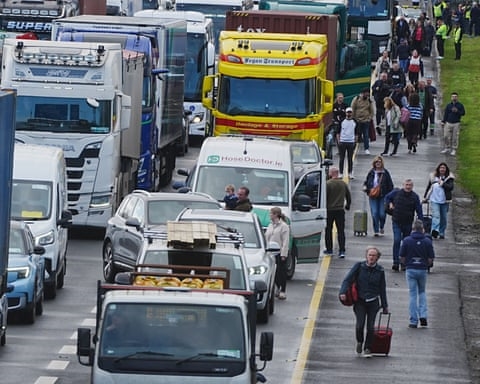
The ripple effects of the price shock are fueling civil unrest. In Ireland, protests over soaring fuel costs have entered a fourth day, causing significant travel disruption and leading to fuel shortages at service stations. The demonstrations, involving hauliers and farmers, have blocked key motorways and depots, prompting the government to place the army on standby to help maintain supply routes. Authorities have condemned the blockades, stating they endanger essential supplies of food, fuel, and water.
The unrest is not confined to Ireland. Similar protests have emerged in Norway, where a convoy of trucks descended on the capital to protest record-high diesel prices. The Norwegian government, despite being a major oil producer, has seen domestic fuel costs surge due to global market pressures.
The economic impact is being felt acutely in the United States, where new data reveals inflation surged in March. The consumer price index rose 3.3% over the past year, marking the largest annual increase in nearly two years. The primary driver was energy, with prices jumping 10.9% in March alone. Gasoline prices led the spike, soaring over 21% for the month.
This inflationary surge is injecting fresh uncertainty into the economic outlook. While a recent ceasefire announcement in the ongoing Middle Eastern conflict provided some hope, energy markets remain jittery, with oil prices holding at multi-year highs. Economists warn that households, facing higher costs at the pump, will likely cut back on other discretionary spending, which could have a mixed impact on broader price pressures.
The situation presents a complex challenge for policymakers, balancing the need to ensure energy security and maintain public order while managing economic stability. With the peak travel season approaching, the clock is ticking to resolve the supply disruptions before they trigger widespread cancellations and further economic strain.