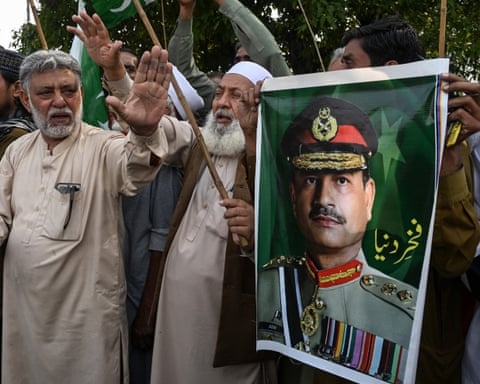
A high-stakes, behind-the-scenes diplomatic push by Pakistan, culminating in a critical intervention from Beijing, has secured a temporary halt to hostilities between the United States and Iran, averting a wider regional war.
The breakthrough came in the early hours of Wednesday after days of escalating rhetoric and military strikes had pushed the Middle East to the brink. Just hours before the deal was struck, prospects for peace appeared grim. Israeli airstrikes had targeted Iranian energy infrastructure, while Iranian retaliatory strikes hit a key Saudi Arabian facility, raising fears of the conflict drawing in Gulf powers.
For Pakistan, the escalating war presented an existential threat. A fresh defense pact with Saudi Arabia meant the nation could be treaty-bound to enter the fray. The country’s economic stability and internal security were seen as directly tied to preventing a regional conflagration.
Leveraging unique channels, Pakistan’s military and intelligence leadership engaged in a frantic series of calls. Army Chief General Asim Munir was cited as a pivotal figure, utilizing reported personal connections with both U.S. leadership and Iran’s Revolutionary Guards to keep dialogue alive.
While U.S. officials later framed the ceasefire as a capitulation by Iran, sources involved in the negotiations describe a different dynamic. They indicate the U.S. administration, finding itself in a prolonged conflict it did not anticipate, was actively seeking an exit. The key obstacle was Tehran’s deep-seated distrust of Washington’s intentions, fearing talks were merely a pretext for a military regroup.
The deadlock was broken by the late, decisive entry of China into the negotiations. After earlier reluctance, Beijing shifted its stance, persuaded by allied nations to take a direct role. Chinese officials provided crucial assurances to Iran, including acting as a guarantor for the safety of its negotiators and for the ceasefire terms themselves. This guarantee was described as the pivotal factor that convinced a reluctant Tehran to agree to the pause in fighting.
The resulting agreement, while hailed as a major diplomatic achievement for Pakistan, remains tenuous. The ceasefire is explicitly temporary, and preparations are already underway for face-to-face talks between U.S. and Iranian delegations scheduled to be held in Islamabad. However, officials privately express concern that other regional actors, particularly Israel, could attempt to undermine the fragile peace process.
Analysts note that the successful mediation marks a significant foreign policy victory for Pakistan, demonstrating an unexpected capacity to navigate a complex international crisis. The immediate outcome has staved off a potential catastrophe, but the coming days of negotiation will determine whether this pause can be forged into a lasting peace.