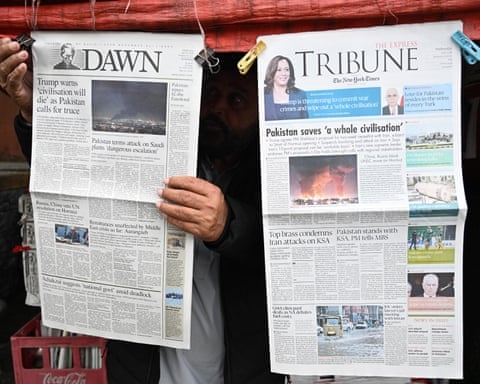
A temporary halt in hostilities has been declared in the Middle East, offering a tense respite after a period of escalating conflict. The agreement, announced just before a critical deadline, has been met with international relief but is immediately clouded by ambiguity and conflicting statements from the key parties involved.
While the truce pauses direct exchanges between major state actors, significant military actions continue in other theaters, with one government explicitly stating these operations fall outside the new arrangement. This discrepancy points to a fundamental lack of consensus on the deal’s scope. Further complicating the situation are public threats from a world leader, warning of unprecedented retaliation if the opposing nation does not adhere to unspecified terms described as “the real agreement.”
The core issues that fueled the recent violence remain entirely unaddressed. Analysts warn that the region remains on a knife’s edge, with the potential for a rapid return to crisis. The ceasefire provides a critical window for diplomacy, but its longevity hinges on whether behind-the-scenes negotiations can resolve the deep-seated disputes and contradictory interpretations that currently define this fragile peace. The coming days will test whether this pause can become a pathway to de-escalation or merely an interlude between rounds of conflict.